
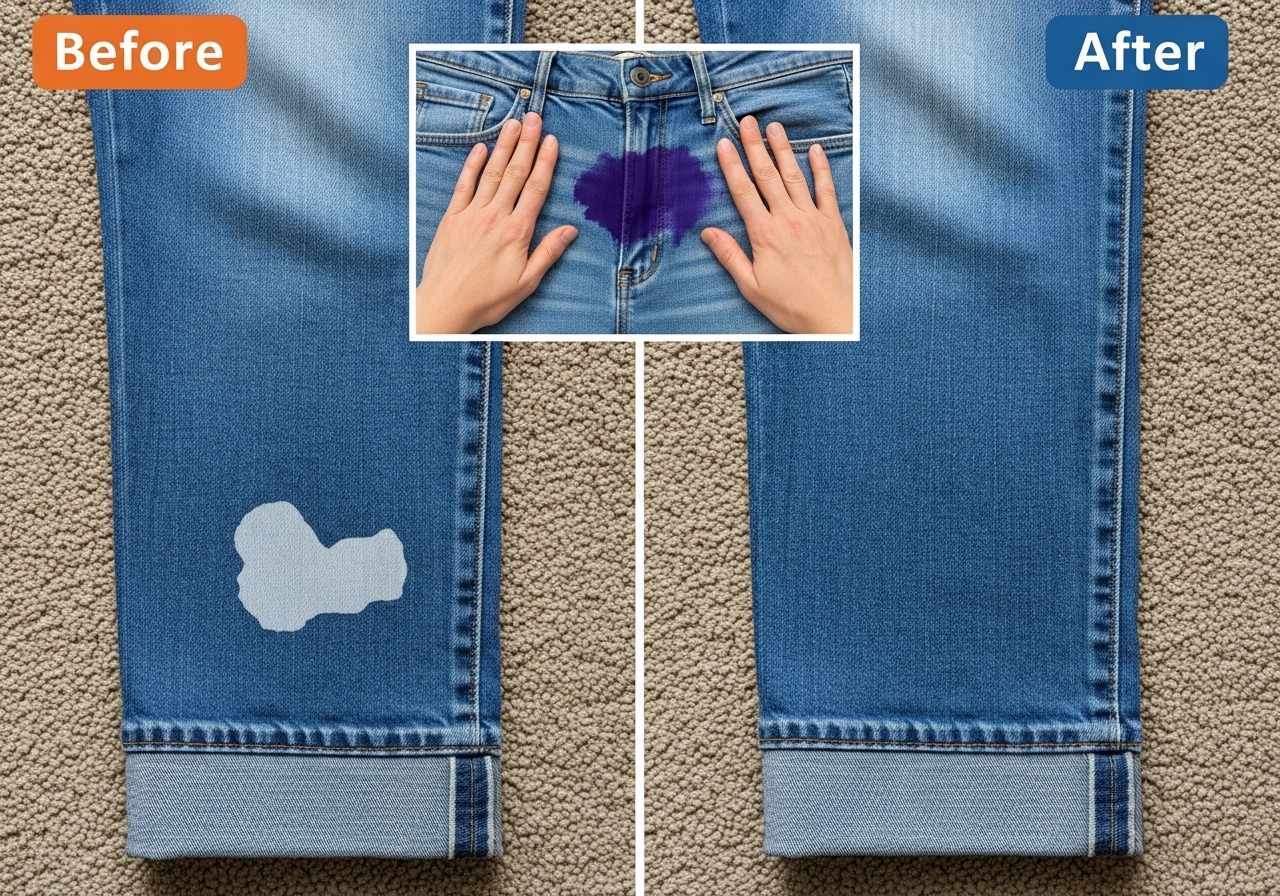
Aquí te revelamos 2 trucos caseros para quitar las manchas de la ropa que te sorprenderán por su sencillez y efectividad. Imagina despedirte de esas marcas difíciles sin recurrir a productos químicos agresivos.
Descubre cómo con ingredientes que seguramente ya tienes en casa, podrás devolverle la vida a tus prendas favoritas y ahorrar dinero. Prepárate para transformar tu rutina de lavado y presumir ropa impecable.
Fácil aplicación con ingredientes comunes que encontrarás en tu hogar, haciéndolo accesible para todos.
Resultados sorprendentes que eliminan manchas sin dañar tus prendas delicadas, preservando su calidad.
Solución práctica y económica para el cuidado de la ropa, ahorrando dinero en productos de limpieza costosos.
Versatilidad en el tratamiento de diferentes tipos de manchas, adaptándose a tus necesidades específicas.
Materiales para 2 trucos caseros para quitar las mangas de la ropa
Here’s what you’ll need to create this beautiful home project:
The complete materials list, including measurements, is provided in the project details below.
How to Create 2 trucos caseros para quitar las mangas de la ropa
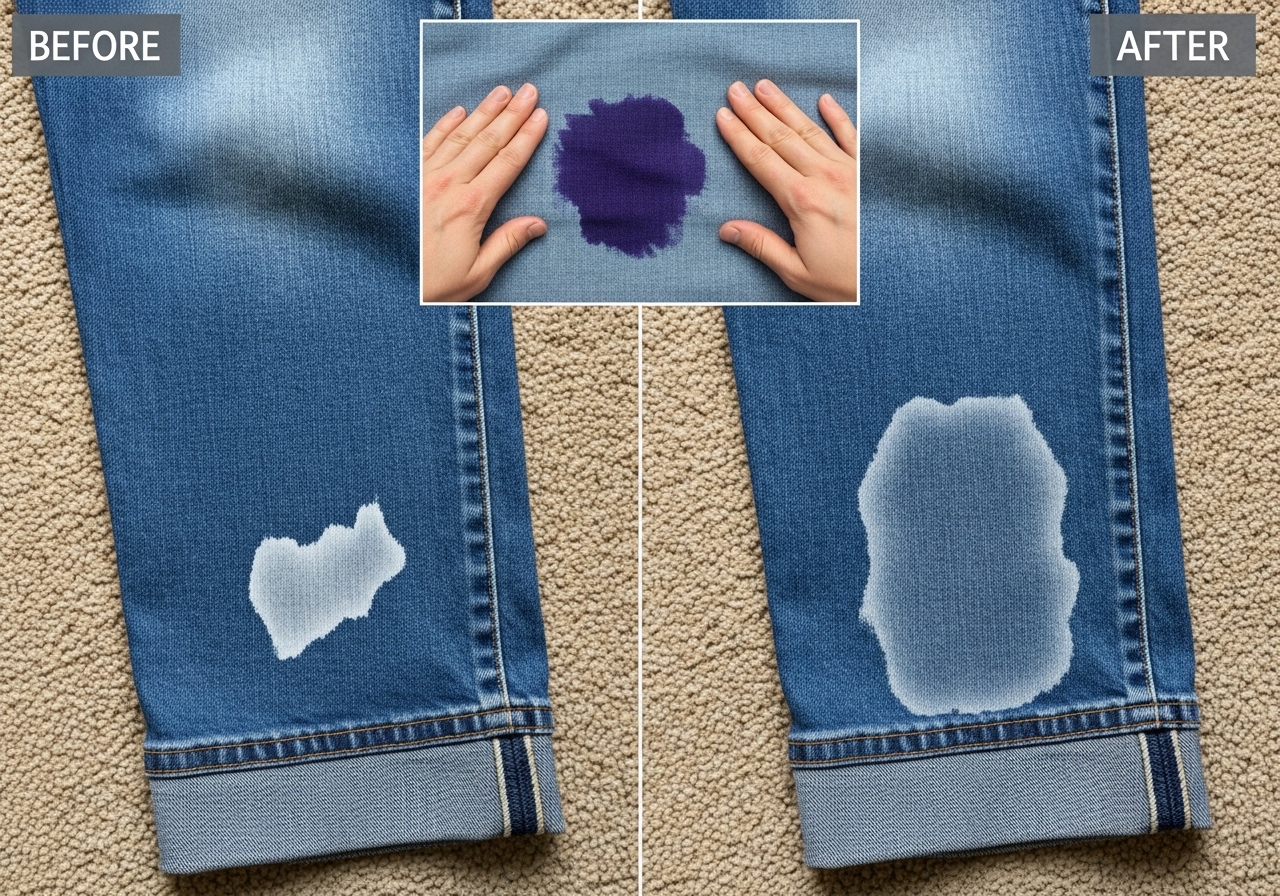
Follow these simple steps to create this beautiful home project:
Step 1: Identifica la Mancha y Prepara la Prenda
Inspecciona cuidadosamente la prenda para identificar el tipo de mancha que deseas eliminar. Extiende la prenda sobre una superficie plana y protege la zona inferior con un paño limpio para evitar que la mancha se transfiera.
Step 2: Aplica Bicarbonato de Sodio para Manchas de Grasa
Si la mancha es de grasa, espolvorea una cantidad generosa de bicarbonato de sodio directamente sobre la mancha. Deja que el bicarbonato absorba la grasa durante al menos 30 minutos. Luego, frota suavemente con un cepillo de dientes viejo y aspira el bicarbonato.
Step 3: Utiliza Vinagre Blanco para Manchas Persistentes
Para manchas persistentes, mezcla partes iguales de vinagre blanco y agua. Aplica la solución sobre la mancha y déjala actuar durante 15-20 minutos. Frota suavemente con un cepillo de dientes y enjuaga con agua fría.
Step 4: Aplica Jugo de Limón para Blanquear y Desodorizar
Para blanquear y desodorizar, aplica jugo de limón directamente sobre la mancha. Deja que la prenda se seque al sol durante unas horas. El sol potenciará el efecto blanqueador del limón. Enjuaga con agua fría.
Step 5: Emplea Agua Oxigenada (Peróxido de Hidrógeno) para Blanquear Tejidos Blancos
Si la prenda es blanca y la mancha es difícil, aplica una pequeña cantidad de agua oxigenada (peróxido de hidrógeno al 3%) sobre la mancha. Deja actuar durante 10-15 minutos y enjuaga con agua fría. Asegúrate de probar el agua oxigenada en una zona discreta primero para evitar decoloraciones.
Step 6: Lava la Prenda Normalmente
Después de tratar la mancha con alguno de estos trucos, lava la prenda como de costumbre en la lavadora. Asegúrate de revisar la prenda antes de meterla en la secadora para verificar que la mancha haya desaparecido por completo. Si la mancha persiste, repite el tratamiento antes de secar la prenda.
¡Disfruta de tus prendas favoritas sin manchas y comparte estos trucos caseros con tus amigos y familiares!
Perfecting the Home Project Process
Prepare all necessary materials before starting any project. Organizing tools and supplies streamlines the workflow, reduces errors, and guarantees a smooth experience. Following each step sequentially ensures excellent results and avoids costly mistakes.
Add Your Personal Touch
Personalize your home projects to reflect your unique style. Experiment with different colors, patterns, or decorative elements. Consider adding small embellishments or modifications to make the project your own. Remember, your home should reflect your taste.
Caring for Your Creation
Proper maintenance is crucial for preserving your projects. Clean regularly with appropriate products, protect from harsh weather, and fix minor issues promptly. These simple steps extend the life and beauty of your hard work.
Always double-check measurements before cutting materials to minimize waste and ensure a perfect fit.
Don’t rush; take your time with each step for greater precision and a professional finish.
Invest in high-quality tools; they make the job easier, safer, and more enjoyable.
(Personal anecdote formated as paragraph subheading)
I still remember when I painted my living room. The color transformed the space entirely, and my family loved it! It was worth every effort.
Eliminating Stains from Clothing: The Ultimate Guide
Stains on clothes can be a nightmare. Whether it’s grease from a cooking mishap or a stubborn ink mark, knowing how to tackle these problems effectively is essential. This guide covers several practical methods to address common clothing stains using items you probably already have at home. We will explore 2 trucos caseros para quitar las mangas de la ropa and other helpful tips.
Understanding Stain Removal Principles
Before diving into specific stain removal techniques, grasp the fundamental principles. Act promptly: the sooner you address a stain, the easier it is to remove. Avoid rubbing, as this can spread the stain. Instead, blot gently with a clean cloth. Always test any cleaning solution on an inconspicuous area first to prevent damage or discoloration. Remember, different fabrics require different approaches, so read the care label before proceeding.
The Power of Baking Soda: A Natural Stain Remover
Baking soda is a versatile, eco-friendly cleaning agent. Its mild alkalinity helps lift stains and deodorize fabrics.
How to Use Baking Soda for Stain Removal
Create a paste by mixing baking soda with water. Apply the paste to the stained area and let it sit for 15-30 minutes. Gently rub the paste into the fabric and rinse thoroughly with cold water. This works well on grease, dirt, and even some food stains. For tougher stains, you might need to repeat the process or combine it with another cleaning agent. Baking soda’s gentle abrasive properties make it safe for most fabrics, but always test it first.
Vinegar: The Acetic Acid Solution
Vinegar, particularly white vinegar, is another powerhouse for stain removal. Its acetic acid content breaks down many common stains.
Applying Vinegar Effectively
Dilute white vinegar with water in a 1: 1 ratio. Soak the stained area in the solution for 30 minutes to an hour. Gently blot the stain with a clean cloth. Rinse the garment thoroughly with cold water and wash as usual. Vinegar is excellent for removing mildew, sweat stains, and deodorizing clothes. However, avoid using it on delicate fabrics like silk or wool, as the acidity can damage them.
Vinegar as a Color Booster
Adding a cup of white vinegar to your washing machine can also brighten colors and prevent fading.
Dish Soap: A Gentle Yet Effective Option
Mild dish soap can be surprisingly effective at removing stains, especially oily ones.
Dish Soap Stain Treatment
Apply a small amount of dish soap directly to the stain. Gently rub it into the fabric and let it sit for 10-15 minutes. Rinse thoroughly with cold water and wash as usual. Dish soap works well on grease, food stains, and even some ink marks. Be sure to use a clear, non-bleach dish soap to avoid discoloring your clothes. Always test it on an inconspicuous area first.
Hydrogen Peroxide: A Bleaching Alternative
Hydrogen peroxide is a mild bleaching agent that can remove certain stains from white or light-colored fabrics.
Using Hydrogen Peroxide Safely
Dilute 3% hydrogen peroxide with water in a 1: 1 ratio. Apply the solution to the stain and let it sit for 10-15 minutes. Blot the area gently and rinse thoroughly with cold water. Hydrogen peroxide is effective for removing blood, grass, and some ink stains. Always test it on an inconspicuous area first, as it can lighten the fabric. Avoid using it on dark-colored fabrics.
(Personal anecdote formated as paragraph subheading)
Once, my daughter spilled grape juice on her white shirt. I used hydrogen peroxide, and it came right out! It saved the shirt!
Sunlight: The Natural Bleach
Sunlight is a natural and effective bleaching agent. It can help fade stains and brighten white clothes.
Harnessing the Power of the Sun
After washing your stained clothes, hang them outside to dry in direct sunlight. The sun’s UV rays will help break down the stain and lighten the fabric. This method is particularly effective for removing stubborn stains from white or light-colored clothes. However, avoid prolonged exposure to sunlight, as it can weaken fabrics.
Tackling Specific Stains
Different stains require different approaches. Here are some specific stain removal tips:
Grease Stains
Apply cornstarch or talcum powder to the stain to absorb the grease. Let it sit for 30 minutes, then brush it off. Follow with dish soap and wash as usual.
Ink Stains
Blot the stain with rubbing alcohol. Place a clean cloth underneath the stained area to absorb the ink. Repeat until the ink is removed.
Blood Stains
Soak the garment in cold water with a small amount of salt. Gently rub the stain and rinse thoroughly.
Coffee Stains
Mix equal parts white vinegar and water. Apply to the stain and let it sit for 30 minutes. Rinse and wash as usual.
(Personal anecdote formated as paragraph subheading)
I had a terrible coffee stain on my favorite blouse. The vinegar trick worked like magic! I was so relieved.
Preventing Stains in the First Place
Prevention is always better than cure. Wear an apron while cooking or doing messy tasks. Treat stains as soon as they happen. Avoid rubbing stains, as this can make them harder to remove. Store your clothes properly to prevent mildew and discoloration. With a little care and attention, you can keep your clothes looking their best for longer.
Final Thoughts on Stain Removal
Removing stains from clothing doesn’t have to be a daunting task. By understanding the principles of stain removal and using the right techniques, you can tackle even the most stubborn stains. Remember to act promptly, test solutions on inconspicuous areas, and be patient. With these tips and 2 trucos caseros para quitar las mangas de la ropa, you’ll be well-equipped to keep your clothes looking fresh and clean.
Home and Garden Maintenance Tips for Beginners
Maintaining a beautiful home and garden can seem daunting, but with a few simple tips, anyone can achieve great results. Start with the basics, and gradually expand your knowledge and skills. Here are some essential tips for beginners:
Regular watering is crucial for plant health. Check the soil moisture before watering to avoid overwatering or underwatering.
Pruning helps maintain the shape and health of plants. Remove dead or diseased branches to encourage new growth.
Fertilizing provides plants with essential nutrients. Choose a fertilizer appropriate for your plants’ needs.
(Personal anecdote formated as paragraph subheading)
When I started gardening, I made so many mistakes. But with patience and practice, my garden has become my sanctuary.
Conclusion for 2 trucos caseros para quitar las mangas de la ropa :
En resumen, deshacerse de las manchas rebeldes en la ropa puede ser un desafío, pero con los trucos adecuados, ¡es posible! El bicarbonato de sodio y el vinagre blanco son dos ingredientes económicos y eficaces que pueden ayudarte a eliminar esas manchas difíciles. Recuerda probar cualquier método en una pequeña área discreta de la prenda antes de aplicarlo por completo. La constancia y la paciencia son clave para obtener los mejores resultados. ¡Con estos consejos, tu ropa lucirá impecable y fresca por más tiempo!
FAQs :
¿Cómo puedo mejorar la eficiencia energética de mi hogar?
Mejorar la eficiencia energética de tu hogar es más sencillo de lo que crees. Comienza por sellar ventanas y puertas para evitar corrientes de aire. Considera también invertir en bombillas LED, que consumen menos energía que las bombillas tradicionales. Otra opción es instalar un termostato programable para regular la temperatura automáticamente y así reducir el consumo de energía en calefacción y aire acondicionado. Aislar adecuadamente tu casa es clave para mantener una temperatura confortable con menos gasto energético. ¡Pequeños cambios hacen una gran diferencia en tu factura de luz!
¿Qué debo considerar al elegir plantas para mi jardín?
Al elegir plantas para tu jardín, es fundamental considerar el clima de tu región y las condiciones del suelo. Investiga qué plantas prosperan naturalmente en tu zona y opta por variedades resistentes a enfermedades y plagas. Observa la cantidad de luz solar que recibe cada área de tu jardín y elige plantas que se adapten a esas condiciones. También es importante considerar el tamaño que alcanzarán las plantas adultas para asegurar que tengan suficiente espacio para crecer. Planifica cuidadosamente tu jardín para disfrutar de un espacio verde floreciente y de bajo mantenimiento.
¿Cuáles son algunos proyectos DIY sencillos para principiantes?
Si eres nuevo en el mundo del DIY, existen proyectos sencillos y gratificantes para comenzar. Puedes crear un macetero colgante con cuerdas y una vieja cesta, o pintar y decorar latas para convertirlas en organizadores de escritorio. Otro proyecto fácil es construir un estante flotante con una tabla de madera y soportes metálicos. También puedes personalizar cojines con pintura para tela o crear un cuadro con materiales reciclados. ¡Lo importante es empezar con algo pequeño y disfrutar del proceso creativo! Recuerda buscar tutoriales en línea para guiarte en cada paso.
¿Cómo puedo mantener mi jardín libre de plagas de forma natural?
Mantener tu jardín libre de plagas de forma natural es posible con algunos trucos sencillos. Plantar hierbas aromáticas como la albahaca y la menta puede repeler insectos no deseados. Fomenta la presencia de insectos beneficiosos como las mariquitas, que se alimentan de pulgones. Utiliza trampas pegajosas para capturar moscas y mosquitos. También puedes preparar un insecticida casero con ajo, cebolla y agua para rociar sobre las plantas afectadas. Inspecciona regularmente tus plantas para detectar cualquier signo de plaga y actúa rápidamente para evitar que se propaguen. ¡Un jardín sano es un jardín feliz!