
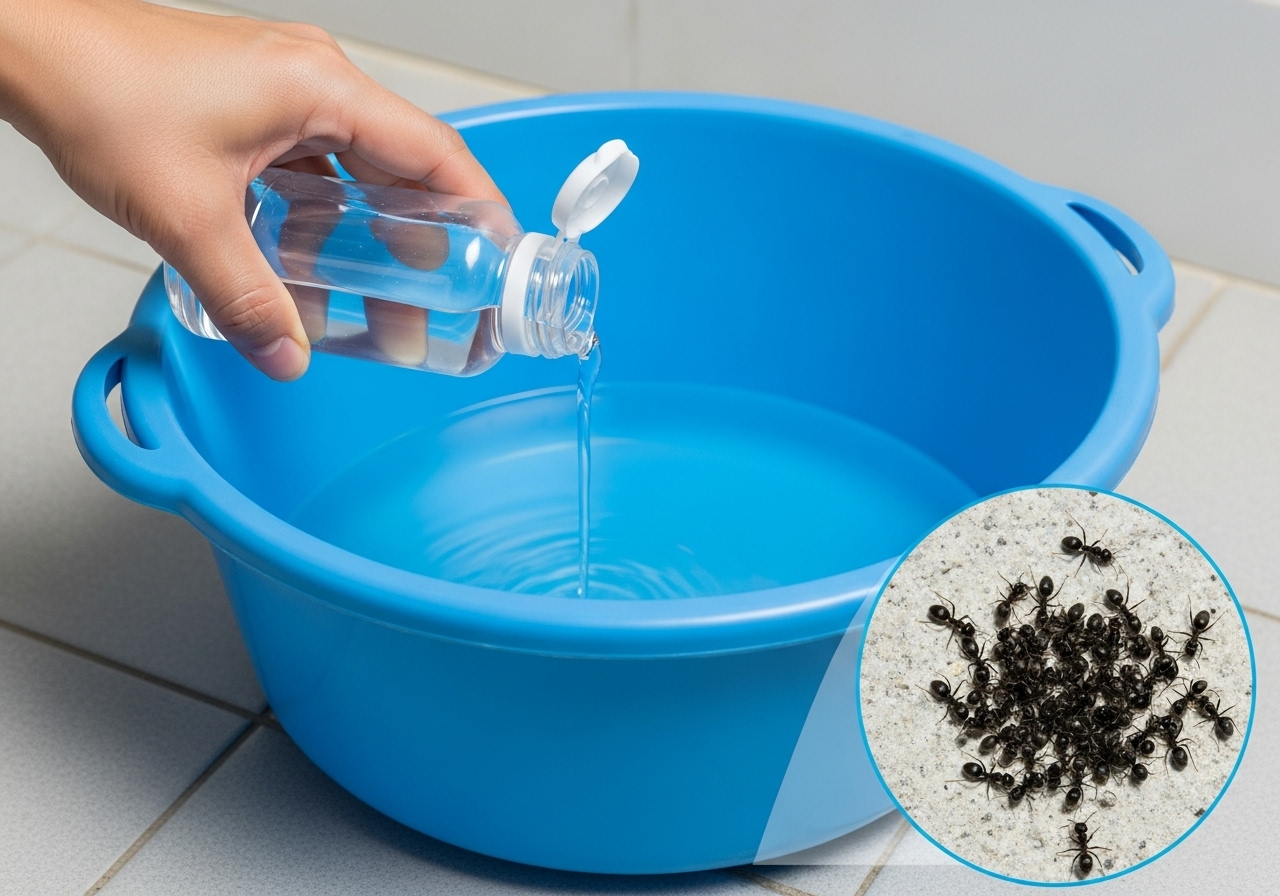
Maintaining a clean home is crucial, but it can be challenging to keep pests away. Imagine a home not only sparkling clean but also naturally protected from unwanted insects.
This tutorial reveals how to transform your regular floor cleaner into a potent, natural pest repellent, ensuring your home stays immaculate and insect-free, creating a peaceful living space.
Effortlessly enhance your cleaning routine with readily available household ingredients.
Enjoy the beauty of a pest-free home, creating a serene and comfortable environment.
Protect your home from common household pests with a simple, natural solution.
Experience the satisfaction of DIY pest control that’s both effective and eco-friendly.
Materials for Agregue estos esenciales a su limpiador de pisos para repeler hormigas y otros insectos.
Here’s what you’ll need to create this beautiful home project:
The complete materials list, including measurements, is provided in the project details below.
How to Create Agregue estos esenciales a su limpiador de pisos para repeler hormigas y otros insectos.
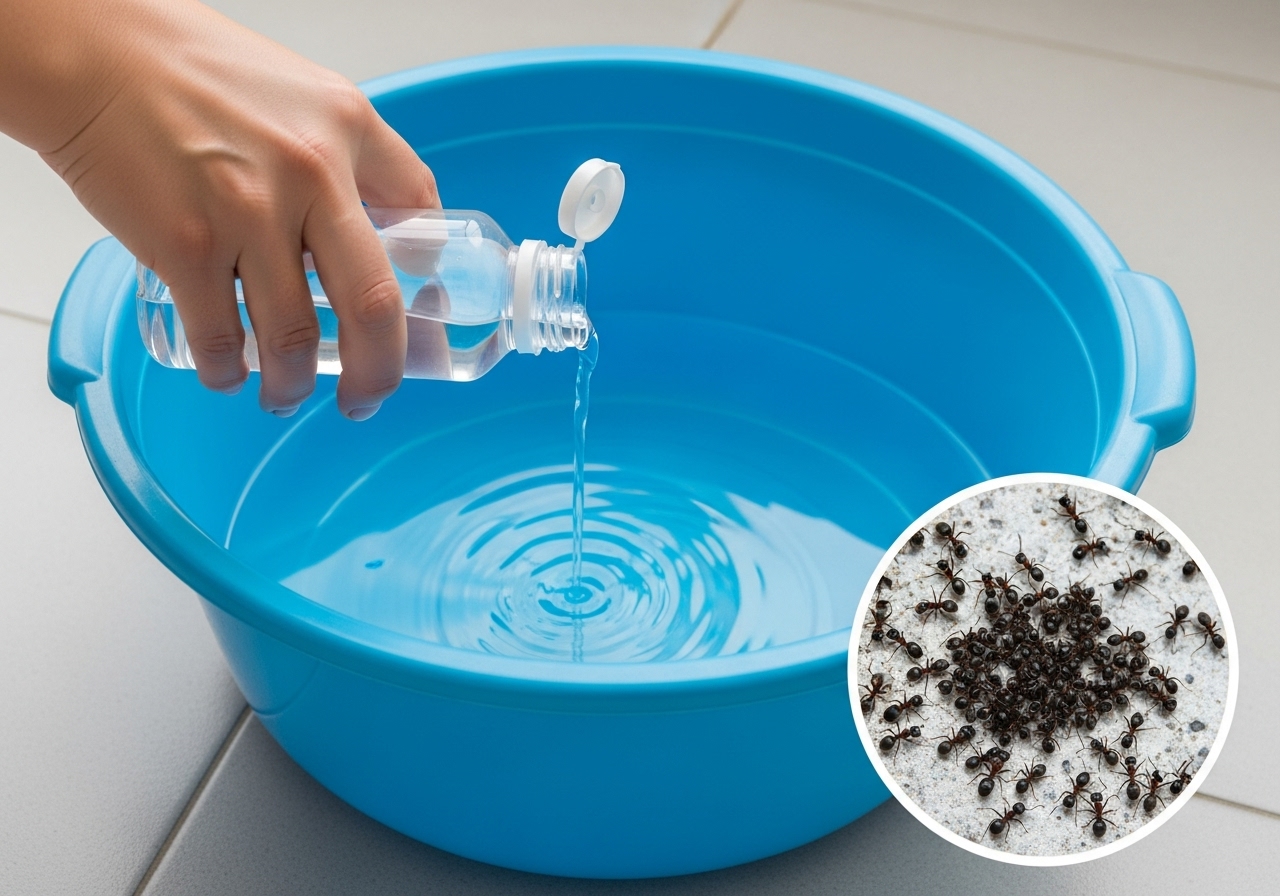
Follow these simple steps to create this beautiful home project:
Step 1: Prepare Your Cleaning Solution
Gather all your materials: white vinegar, essential oil (peppermint or eucalyptus), dish soap, water, and a bucket or spray bottle. Ensure your workspace is ready.
Step 2: Mix the Ingredients
In your bucket, combine 1 gallon of warm water with 1 cup of white vinegar. Add 1 tablespoon of dish soap. Then, incorporate 15-20 drops of your chosen essential oil.
Step 3: Stir Gently
Stir the mixture gently to ensure all ingredients are well combined. Avoid creating excessive suds from the dish soap.
Step 4: Application
If using a bucket, dip your mop into the solution and wring out excess liquid. If using a spray bottle, fill it with the mixture. Apply the solution to your floors as you normally would when cleaning.
Step 5: Cleaning the Floors
Mop or spray the floors, paying special attention to areas where ants or other insects are commonly seen, such as near windows, doors, and food preparation areas.
Step 6: Drying
Allow the floors to air dry. The scent of the essential oil and vinegar will help to repel insects. Repeat this cleaning process regularly, about once a week, to maintain a pest-free environment.
Enjoy your clean, insect-repellent floors and the peace of mind that comes with a naturally protected home!
Choosing the Right Essential Oils for Pest Control
Choosing the right essential oils is a crucial step when you agregar estos esenciales a su limpiador de pisos para repeler hormigas y otros insectos. Not all essential oils are created equal, and their effectiveness can vary depending on the type of pest you’re trying to deter. Peppermint and eucalyptus are popular choices due to their strong scents that many insects find repulsive. However, other essential oils like tea tree, lavender, and citronella can also be effective. For instance, tea tree oil has antiseptic properties and can deter a wide range of insects, while lavender offers a calming scent for humans but is disliked by moths, fleas, and flies. Citronella is well-known for repelling mosquitoes, making it a great addition if you have issues with these pests. When selecting essential oils, ensure they are 100% pure and therapeutic grade for the best results. Avoid synthetic fragrances, as they lack the active compounds that repel insects.
Tips for Using Essential Oils Safely
While essential oils are natural, they should be used with caution. Always dilute essential oils before use, as concentrated oils can be irritating to the skin and harmful if ingested. In the recipe mentioned earlier, the essential oil is diluted in water and dish soap, making it safe for mopping floors. However, if you have pets or small children, be extra cautious. Some essential oils, such as tea tree oil, can be toxic to pets. If you’re unsure, consult with a veterinarian before using essential oils around animals. Also, ensure good ventilation when using essential oils, as strong scents can cause headaches or respiratory irritation in some individuals. Always store essential oils out of reach of children and pets, and never apply them directly to the skin without proper dilution.
Understanding the Science Behind Natural Pest Repellents
The effectiveness of using these natural ingredients when you agregar estos esenciales a su limpiador de pisos para repeler hormigas y otros insectos lies in their chemical properties. White vinegar, for example, contains acetic acid, which is a natural disinfectant and insect repellent. Ants, in particular, are highly sensitive to the scent of vinegar, which disrupts their pheromone trails, making it difficult for them to navigate and find food sources. Essential oils, on the other hand, contain volatile organic compounds (VOCs) that have strong, distinct aromas. These aromas can interfere with an insect’s sensory receptors, disorienting them and deterring them from entering the treated area. For example, peppermint oil contains menthol, which is known to repel ants, mosquitoes, and spiders. Eucalyptus oil contains cineole, which has insecticidal and repellent properties. By combining these ingredients, you create a multi-faceted approach to pest control that is both effective and environmentally friendly.
Maintaining a Pest-Free Home: Additional Tips
In addition to using a natural floor cleaner, there are several other steps you can take to maintain a pest-free home.
Sealing Entry Points
Insects often enter homes through cracks and crevices in walls, windows, and doors. Seal any potential entry points with caulk or weather stripping to prevent pests from gaining access.
Proper Food Storage
Store food in airtight containers to prevent attracting ants, roaches, and other pests. Clean up spills and crumbs immediately to eliminate food sources.
Regular Cleaning
Regular cleaning is essential for preventing pest infestations. Vacuum floors, wipe down surfaces, and empty trash cans regularly to remove food particles and other debris that can attract pests.
Yard Maintenance
Keep your yard clean and well-maintained. Trim bushes and trees away from your home to prevent insects from using them as bridges to enter your home. Remove standing water to prevent mosquitoes from breeding.
Using Diatomaceous Earth
Diatomaceous earth (DE) is a natural powder made from fossilized algae. It’s safe for humans and pets but deadly to insects. Sprinkle DE around the perimeter of your home, in cracks and crevices, and in areas where you’ve seen pests.
DIY Pest Control: Other Natural Solutions
If you’re looking for additional natural pest control solutions, consider these DIY remedies:
Borax and Sugar Ant Bait
Mix equal parts borax and sugar with water to create a paste. Place the paste in shallow containers near ant trails. The sugar attracts the ants, while the borax is toxic to them.
Citrus Peels
Place citrus peels (lemon, orange, grapefruit) around your home to repel ants and other insects. The citrus scent is offensive to many pests.
Cucumber Slices
Cucumber slices can repel ants. Place slices near ant trails or entry points to deter them.
Herbs and Spices
Plant herbs and spices such as mint, basil, rosemary, and cloves around your home to repel insects. You can also place dried herbs and spices in sachets and hang them in closets and drawers to deter moths and other pests.
Baking Soda and Powdered Sugar
Mix equal parts baking soda and powdered sugar. Place the mixture in shallow containers near cockroach sightings. The sugar attracts cockroaches, while the baking soda disrupts their digestive system.
Addressing Common Concerns About Natural Pest Control
While natural pest control methods are generally safe and effective, some homeowners have concerns about their efficacy and potential drawbacks.
Efficacy Compared to Chemical Pesticides
Natural pest control methods may not be as immediately effective as chemical pesticides. However, they offer a long-term solution that is less harmful to the environment and your health.
Potential Allergies or Sensitivities
Some individuals may be allergic or sensitive to certain essential oils or other natural ingredients. Always test a small area before applying a natural pest control solution to your entire home.
Time and Effort Required
Natural pest control methods may require more time and effort than simply spraying chemical pesticides. However, the benefits of using natural solutions outweigh the inconvenience.
Cost-Effectiveness
Natural pest control methods are often more cost-effective than hiring a professional pest control service or purchasing expensive chemical pesticides.
By understanding the science behind natural pest repellents and implementing a comprehensive pest control strategy, you can create a safe and healthy home environment for you and your family. Remember to choose the right essential oils, use them safely, and supplement your efforts with other natural solutions. With a little effort and consistency, you can keep your home pest-free without resorting to harmful chemicals.
Perfecting the Home Project Process
To achieve efficient and perfect results in any home project, preparation is key. Gather all materials beforehand. Then, follow each step in order. This ensures a smooth workflow and reduces the chance of errors or delays.
Add Your Personal Touch
Customization is where your personality shines! Consider color choices that complement your home’s aesthetic. Add decorative elements that reflect your style. Don’t be afraid to enhance the project with optional features that make it uniquely yours.
Caring for Your Creation
Proper care and maintenance are crucial for preserving your project’s quality. Clean regularly with appropriate products. Protect from harsh weather conditions if applicable. Address any minor issues promptly to prevent further damage.
Here are some tips to help you get perfect home project:
Always double-check your measurements before cutting any materials to avoid costly mistakes and ensure a perfect fit.
When painting, apply thin, even coats instead of one thick coat to prevent drips and achieve a professional finish.
Before starting any demolition work, carefully inspect for hidden pipes or wiring to prevent accidents and costly repairs.
(Personal anecdote formated as paragraph subheading)
I remember when I finally finished building my patio furniture. The smile on my wife’s face and her praise was all I needed to know it was worth every second.
Agregue estos esenciales a su limpiador de pisos para repeler hormigas y otros insectos.
¿Cansado de ver hormigas y otros pequeños insectos invadiendo su hogar? No está solo. Muchos propietarios buscan constantemente soluciones efectivas y naturales para mantener estos visitantes no deseados a raya. Afortunadamente, la respuesta podría estar en algo tan simple como su limpiador de pisos. Sí, ha leído bien. Puede transformar su rutina de limpieza en una barrera protectora contra insectos. Descubra cómo potenciar su limpiador habitual con ingredientes que repelen de forma segura y eficaz.
El Poder Oculto de su Limpiador de Pisos Contra Insectos
La mayoría de los limpiadores de pisos se enfocan en la higiene y el brillo, pero no abordan el problema de los insectos. Integrar ingredientes repelentes en su solución de limpieza no solo mantendrá sus pisos impecables, sino que también creará un ambiente menos atractivo para las hormigas y otros bichos.
Ingredientes Clave Para Repeler Insectos en sus Pisos
Existe una variedad de ingredientes naturales que actúan como repelentes de insectos y que puede añadir fácilmente a su limpiador de pisos. A continuación, exploraremos algunos de los más efectivos y cómo utilizarlos.
Vinagre Blanco: Un Clásico con Múltiples Beneficios
El vinagre blanco es un desinfectante natural y un excelente repelente de hormigas. Su fuerte olor las desorienta y las disuade de cruzar las áreas tratadas. Para usarlo, mezcle partes iguales de vinagre blanco y agua en una botella rociadora y utilícelo para limpiar pisos y superficies. No se preocupe por el olor, desaparecerá en poco tiempo, llevándose consigo a las hormigas.
Aceite Esencial de Menta: Aroma Agradable, Enemigo de los Insectos
El aceite esencial de menta tiene un aroma refrescante que los humanos disfrutan, pero las hormigas y otros insectos detestan. Añada unas 15-20 gotas de aceite esencial de menta a un galón de agua con su limpiador de pisos habitual. La menta no solo repelerá a los insectos, sino que también dejará un aroma fresco y limpio en su hogar.
Aceite Esencial de Limón: Cítrico y Repelente
Al igual que la menta, el aceite esencial de limón es otro repelente natural de insectos con un aroma agradable. Las hormigas particularmente son sensibles al ácido cítrico, lo que lo convierte en un excelente aliado. Utilice la misma proporción que con el aceite de menta: 15-20 gotas por galón de agua y limpiador.
Bórax: Un Repelente Más Potente (Con Precauciones)
El bórax es un mineral natural que puede ser muy efectivo para controlar las poblaciones de hormigas. Sin embargo, es importante utilizarlo con precaución, especialmente si tiene niños pequeños o mascotas, ya que puede ser tóxico si se ingiere. Para usarlo, disuelva una cucharada de bórax en un galón de agua tibia con su limpiador de pisos. Asegúrese de enjuagar bien después de la limpieza para eliminar cualquier residuo.
Cómo Preparar y Utilizar su Limpiador Repelente de Insectos Casero
Preparar su propio limpiador repelente de insectos es sencillo y económico. Aquí tiene una guía paso a paso:
1. Reúna los ingredientes: Elija uno o dos de los ingredientes mencionados anteriormente (vinagre, aceites esenciales, bórax).
2. Mezcle la solución: Combine los ingredientes con agua y su limpiador de pisos habitual en un balde o botella rociadora.
3. Limpie sus pisos: Utilice la solución para limpiar sus pisos como de costumbre, prestando especial atención a las áreas donde ha visto hormigas u otros insectos.
4. Repita según sea necesario: Limpie sus pisos con esta solución repelente de insectos con regularidad, especialmente durante las temporadas de mayor actividad de insectos.
Consejos Adicionales Para Mantener su Hogar Libre de Insectos
Además de utilizar un limpiador de pisos repelente de insectos, hay otras medidas que puede tomar para mantener su hogar libre de plagas:
Selle las grietas y hendiduras: Inspeccione su casa en busca de grietas y hendiduras por donde puedan entrar los insectos y séllelas con silicona o masilla.
Mantenga la cocina limpia: Limpie los derrames de alimentos y migas de inmediato, y guarde los alimentos en recipientes herméticos.
Elimine las fuentes de agua: Repare las fugas de agua y asegúrese de que no haya agua estancada cerca de su casa, ya que los insectos necesitan agua para sobrevivir.
Recorte la vegetación: Mantenga los arbustos y árboles recortados lejos de su casa, ya que pueden proporcionar un refugio para los insectos.
Advertencias y Precauciones
Es crucial recordar que algunos de estos ingredientes pueden ser irritantes o tóxicos si no se utilizan correctamente. Siempre lea las etiquetas de los productos y siga las instrucciones. Pruebe la solución en un área pequeña y discreta antes de aplicarla a toda la superficie para asegurarse de que no cause daños. Si tiene mascotas o niños pequeños, tenga especial cuidado al utilizar bórax y asegúrese de mantenerlo fuera de su alcance.
La integración de ingredientes repelentes de insectos en su rutina de limpieza de pisos es una forma sencilla y eficaz de mantener su hogar libre de plagas. Experimente con diferentes ingredientes y encuentre la combinación que mejor funcione para usted. Con un poco de esfuerzo y los ingredientes adecuados, puede disfrutar de un hogar limpio, fresco y libre de insectos.
Conclusion for Agregue estos esenciales a su limpiador de pisos para repeler hormigas y otros insectos:
Mantener tu hogar libre de hormigas y otros insectos con métodos naturales es posible. Integrar ingredientes como vinagre blanco, aceite esencial de menta o canela a tu limpiador de pisos no solo desinfecta, sino que también actúa como repelente natural. La clave está en la constancia y la observación para identificar los puntos de entrada de los insectos. Recuerda que la prevención, junto con una limpieza regular, es fundamental para un hogar saludable y libre de plagas, sin recurrir a productos químicos agresivos. Un pequeño cambio en tu rutina de limpieza puede hacer una gran diferencia.
FAQs:
¿Cómo puedo crear un jardín vertical en un espacio pequeño?
Un jardín vertical es una solución genial si tienes poco espacio. Utiliza palets reciclados, estanterías modulares o incluso botellas de plástico reutilizadas. Asegúrate de elegir plantas que no requieran mucho sol directo si tu espacio es interior. Selecciona hierbas aromáticas, fresas o pequeñas flores para añadir color y vida a tu hogar. Instala un sistema de riego por goteo para facilitar el cuidado y evitar el encharcamiento. ¡Con un poco de creatividad, tendrás un rincón verde en tu hogar!
¿Qué debo hacer para evitar que mis plantas de interior se sequen?
Mantener la humedad es crucial para plantas de interior sanas. Riega tus plantas solo cuando la tierra superior esté seca al tacto. Considera usar un humidificador ambiental, especialmente en invierno, cuando la calefacción reseca el aire. Agrupa tus plantas; esto ayuda a crear un microclima más húmedo. También puedes colocar las macetas sobre un plato con guijarros y agua, asegurándote de que las raíces no estén sumergidas. Observa las hojas: si se marchitan, es señal de que necesitan más humedad.
¿Qué productos naturales puedo usar para limpiar mis muebles de madera?
Para limpiar muebles de madera de forma natural, puedes usar una mezcla de aceite de oliva y jugo de limón. El aceite de oliva nutre la madera, mientras que el limón ayuda a eliminar la suciedad y el brillo. Aplica la mezcla con un paño suave y limpio, frotando suavemente en la dirección de la veta de la madera. Otra opción es usar vinagre blanco diluido en agua para quitar manchas y desinfectar. Siempre prueba en un área discreta primero para asegurarte de que no dañe el acabado.
¿Cuál es la mejor manera de reutilizar materiales de construcción en proyectos DIY?
Reutilizar materiales de construcción es una forma excelente de ahorrar dinero y reducir el impacto ambiental. Puedes usar madera de palets para construir muebles rústicos, como mesas de centro o cabeceros de cama. Los ladrillos antiguos pueden convertirse en bordes para jardines o incluso en una barbacoa. Las tuberías de cobre se pueden transformar en lámparas originales. Limpia y prepara bien los materiales antes de usarlos, y déjate llevar por tu creatividad. ¡Las posibilidades son infinitas!