
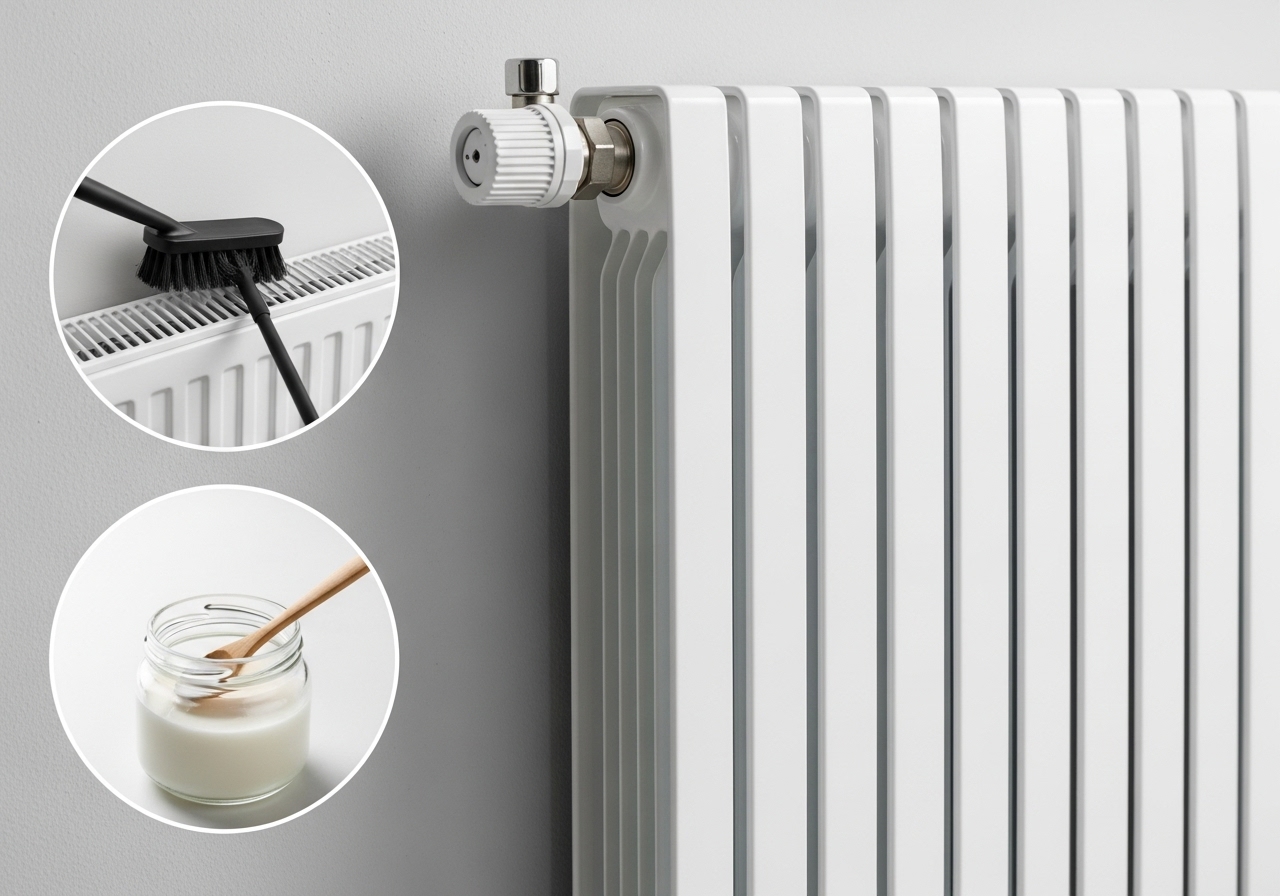
Maintaining a warm and inviting home often hinges on the efficiency of our heating systems, and one key element is often overlooked: the radiator. The process of cleaning radiators is a simple yet impactful way to ensure your home stays comfortably warm throughout the colder months.
Imagine walking into a cozy room, enveloped by the gentle warmth radiating from a perfectly maintained radiator, creating a serene and welcoming ambiance. Learning cómo limpiar los radiadores para aumentar su eficiencia is key.
Here are some compelling reasons why this home improvement task is essential:
Simple to implement, cleaning your radiators requires minimal tools and time, fitting seamlessly into your regular home maintenance routine.
Radiators are practical for keeping your home efficiently heated, reducing energy bills and ensuring a consistently comfortable living environment.
Cleaning radiators prevents dust and debris from circulating, improving air quality and creating a healthier home for you and your family.
You’ll discover it increases the lifespan of your radiators, protecting your investment and avoiding costly replacements down the road.
Materials for Cómo limpiar los radiadores para aumentar su eficiencia
Here’s what you’ll need to create this beautiful home project:
The complete materials list, including measurements, is provided in the project details below.
How to Create Cómo limpiar los radiadores para aumentar su eficiencia
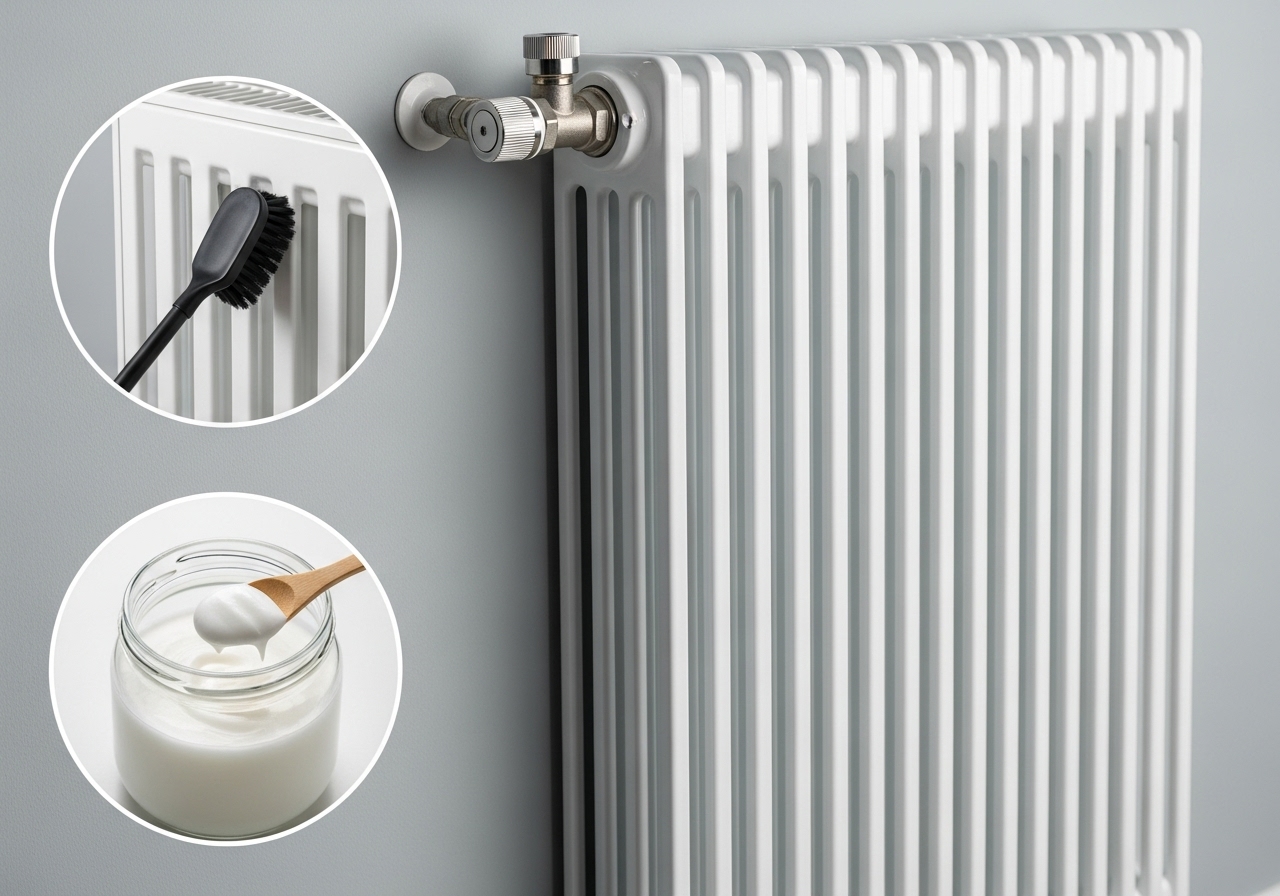
Follow these simple steps to create this beautiful home project:
Step 1: Prepare Your Workspace and Gather Materials
Before you begin, turn off the radiator and allow it to cool completely. Gather all the necessary materials: screwdriver, vacuum cleaner with brush attachment, radiator brush, damp cloth, bucket with warm soapy water, and old towels. Protect your flooring by placing old towels or rags underneath the radiator.
Step 2: Remove Radiator Covers (If Applicable)
If your radiator has covers, use a screwdriver to carefully remove them. Set the covers aside and clean them separately with a damp cloth. This allows for better access to the radiator fins and interior.
Step 3: Vacuum the Radiator Interior
Use the vacuum cleaner with the brush attachment to vacuum the interior of the radiator. Pay special attention to the fins and any areas where dust and debris have accumulated. The vacuum will remove loose particles effectively.
Step 4: Brush Between the Radiator Fins
Insert the radiator brush between the fins and gently scrub back and forth to dislodge any remaining dust and debris. Vacuum up the loosened particles as you go to prevent them from settling elsewhere.
Step 5: Wipe Down the Exterior
Dampen a cloth with the warm soapy water and wring out any excess. Wipe down the exterior surfaces of the radiator, removing any dirt or grime. Use a clean, damp cloth to rinse off any soap residue, and then dry the radiator with a clean towel.
Step 6: Reassemble and Enjoy
Once the radiator is clean and dry, reattach the covers (if applicable). Turn the radiator back on and enjoy the increased efficiency and improved air quality. Regularly cleaning your radiators will help maintain their performance and extend their lifespan.
Understanding Why Radiator Cleaning Matters
Cómo limpiar los radiadores para aumentar su eficiencia is not just about aesthetics; it’s about maximizing your heating system’s performance and promoting a healthier home environment. Dust and debris accumulation within radiators act as insulators, preventing the efficient transfer of heat into your room. This forces your heating system to work harder, consuming more energy and potentially leading to higher utility bills.
By removing these insulating layers, you allow the radiator to radiate heat more effectively. This, in turn, reduces the strain on your heating system, lowers energy consumption, and extends the lifespan of your radiators. It’s a simple task with significant benefits, making it a worthwhile addition to your home maintenance routine.
Tools and Techniques for Effective Radiator Cleaning
Choosing the right tools and employing effective techniques are crucial for achieving optimal results when cómo limpiar los radiadores para aumentar su eficiencia. While the basic materials mentioned earlier are essential, understanding how to use them properly can make a significant difference.
A radiator brush, for instance, should be flexible enough to navigate between the fins but sturdy enough to dislodge stubborn dust and debris. Similarly, the vacuum cleaner’s brush attachment should be narrow enough to reach deep into the radiator’s interior. For stubborn stains or grime, consider using a specialized radiator cleaner, but always test it on an inconspicuous area first to ensure it doesn’t damage the finish.
Tips for Maintaining Radiator Efficiency Year-Round
Maintaining radiator efficiency is an ongoing process, not just a one-time task. Regular cleaning, at least twice a year (before and after the heating season), is highly recommended. Additionally, consider these tips to keep your radiators running efficiently:
Bleed your radiators annually to release trapped air, which can hinder their performance.
Ensure that furniture or curtains are not blocking the radiator, as this can impede heat circulation.
Check for any leaks or corrosion and address them promptly to prevent further damage.
Insulate exterior walls behind the radiators to minimize heat loss.
Consider installing thermostatic radiator valves (TRVs) to control the temperature in individual rooms, optimizing energy usage.
DIY Projects to Enhance Your Radiator’s Performance
Beyond basic cleaning, there are several DIY projects you can undertake to further enhance your radiator’s performance and appearance. One popular project is painting your radiators with a specialized radiator paint, which is designed to withstand high temperatures and prevent rust. Choose a color that complements your room’s décor to add a touch of style.
Another project involves installing radiator reflectors behind the radiators to redirect heat back into the room, reducing heat loss through exterior walls. These reflectors are relatively inexpensive and easy to install, making them a worthwhile investment. You can also create a decorative radiator cover that not only hides unsightly radiators but also helps to distribute heat more evenly.
Addressing Common Radiator Issues
Even with regular cleaning and maintenance, radiators can sometimes encounter issues that affect their performance. One common problem is a lack of heat, which can be caused by trapped air, a faulty valve, or a malfunctioning thermostat. Bleeding the radiator is usually the first step in addressing this issue.
Another common problem is leaks, which can be caused by corrosion or loose fittings. If you notice any leaks, tighten the fittings or replace any damaged parts. If the problem persists, consult a professional plumber. Additionally, if your radiators are making strange noises, such as banging or gurgling, it could indicate a problem with the water pressure or the circulation system.
Beginner’s Guide to Radiator Maintenance
If you’re new to home maintenance, radiator care can seem daunting. However, the basics are quite simple. Start by understanding the different parts of your radiator, such as the fins, valves, and thermostat. Familiarize yourself with the tools and techniques mentioned earlier, and don’t hesitate to ask for help if you’re unsure about something.
Regular cleaning is the most important aspect of radiator maintenance. Make it a habit to vacuum and wipe down your radiators at least twice a year. Additionally, pay attention to any warning signs, such as leaks, strange noises, or a lack of heat, and address them promptly. With a little bit of knowledge and effort, you can keep your radiators running efficiently for years to come.
Advanced Tips for Radiator Optimization
For experienced home enthusiasts looking to take their radiator maintenance to the next level, there are several advanced tips to consider. One option is to install a whole-house heating system monitor, which can track your energy consumption and identify areas where you can improve efficiency.
Another advanced tip is to invest in a thermal imaging camera, which can detect heat loss and identify areas where insulation is needed. You can also consider upgrading your radiators to more efficient models, such as low-temperature radiators, which are designed to operate at lower water temperatures and save energy. Finally, explore the possibility of integrating your heating system with a smart home system, which allows you to control the temperature remotely and optimize energy usage.
Conclusion: The Value of Clean Radiators
Mastering cómo limpiar los radiadores para aumentar su eficiencia is not just a chore; it’s an investment in your home’s comfort, energy efficiency, and overall health. By following the steps and tips outlined in this article, you can ensure that your radiators are performing at their best, keeping your home warm and inviting throughout the year.
Remember, regular cleaning and maintenance are key to maximizing the lifespan and performance of your radiators. So, roll up your sleeves, gather your supplies, and get ready to transform your radiators into efficient heating machines. Your home and your wallet will thank you.
Perfecting the Home Project Process
To achieve efficient and perfect results, preparation is key. Gather all necessary materials and tools before starting. Follow the steps in the correct order, and don’t skip any. A well-planned process saves time and prevents errors.
Add Your Personal Touch
Infuse your personality into the project with custom details. Experiment with different color palettes, decorative elements, or unique finishes. Optional enhancements can make the project truly yours, reflecting your individual style and preferences.
Caring for Your Creation
Proper care and maintenance are crucial for preserving your hard work. Regularly clean and inspect the project to prevent damage. Follow specific care instructions to ensure its longevity and maintain its beauty for years to come.
Here are three helpful tips for perfecting your home project:
Always double-check your measurements before cutting any materials to avoid costly mistakes and ensure a perfect fit.
Use painter’s tape to create clean lines and prevent paint bleeding, resulting in a professional-looking finish.
Take breaks to prevent burnout and maintain focus, which leads to better quality work and reduces the risk of errors.
(Personal anecdote formated as paragraph subheading)
I remember when my neighbor saw the work I did on my living room wall, he asked me if I had hired a professional painter. I was so proud of my work.
Cómo limpiar los radiadores para aumentar su eficiencia: Una guía completa
Los radiadores son esenciales para mantener un hogar cálido y confortable, especialmente durante los meses fríos. Sin embargo, con el tiempo, acumulan polvo, suciedad y óxido, lo que reduce su eficiencia y aumenta el consumo de energía. Aprender cómo limpiar los radiadores para aumentar su eficiencia no solo mejorará el rendimiento de tu sistema de calefacción, sino que también contribuirá a un ambiente más saludable en tu hogar. Esta guía completa te proporcionará todos los conocimientos y técnicas necesarias para realizar esta tarea de manera efectiva.
¿Por qué es importante limpiar tus radiadores?
La acumulación de polvo y suciedad en los radiadores actúa como aislante, impidiendo que el calor se disperse de manera uniforme en la habitación. Esto significa que el radiador tiene que trabajar más para alcanzar la temperatura deseada, lo que se traduce en un mayor consumo de energía y, por ende, en facturas de calefacción más elevadas. Además, la suciedad acumulada puede convertirse en un caldo de cultivo para ácaros y bacterias, afectando la calidad del aire interior y provocando alergias o problemas respiratorios. Mantener tus radiadores limpios es crucial para una calefacción eficiente y un ambiente saludable.
Herramientas y materiales necesarios
Antes de comenzar a limpiar tus radiadores, asegúrate de tener a mano las herramientas y materiales adecuados. Esto facilitará el proceso y te permitirá obtener mejores resultados. Necesitarás:
Un destornillador (para desmontar paneles, si es necesario)
Una aspiradora con boquilla estrecha
Un cepillo largo y flexible (especialmente diseñado para radiadores)
Un plumero o trapo de microfibra
Un cubo con agua tibia
Un detergente suave o jabón neutro
Un trapo o toalla vieja para proteger el suelo
Guantes de goma (opcional, para proteger tus manos)
Un producto antióxido (opcional, para radiadores con óxido)
Pasos detallados para la limpieza de radiadores
Ahora que tienes todo lo necesario, sigue estos pasos para limpiar tus radiadores de manera eficiente y segura:
Preparación del área de trabajo
Comienza apagando el sistema de calefacción y dejando que los radiadores se enfríen por completo. Esto evitará quemaduras y hará que la limpieza sea más cómoda. Extiende una toalla o trapo viejo debajo del radiador para proteger el suelo de posibles goteos de agua y suciedad.
Eliminación del polvo superficial
Usa la aspiradora con la boquilla estrecha para eliminar el polvo y la suciedad superficial que se haya acumulado en las rejillas y entre los paneles del radiador. Presta especial atención a las áreas de difícil acceso. Si no tienes una aspiradora, puedes usar un plumero o un trapo de microfibra.
Limpieza interna del radiador
Introduce el cepillo largo y flexible entre los paneles del radiador y muévelo de arriba abajo para remover la suciedad adherida. Aspira o sacude el cepillo regularmente para eliminar el polvo acumulado. Repite este proceso varias veces hasta que notes que el cepillo sale más limpio. Esta parte es fundamental al preguntarte cómo limpiar los radiadores para aumentar su eficiencia.
Limpieza de la superficie exterior
Mezcla agua tibia con un detergente suave o jabón neutro en un cubo. Humedece un trapo de microfibra en la solución y exprime el exceso de agua. Limpia la superficie exterior del radiador, incluyendo los paneles, las tuberías y las válvulas. Presta atención a las manchas difíciles y frota suavemente hasta eliminarlas.
Secado y revisión
Una vez que hayas limpiado todas las superficies, seca el radiador con un trapo limpio y seco. Asegúrate de eliminar toda la humedad para evitar la formación de óxido. Revisa el radiador en busca de signos de corrosión o fugas. Si encuentras óxido, aplica un producto antióxido siguiendo las instrucciones del fabricante.
Consejos adicionales para el mantenimiento de radiadores
Además de la limpieza regular, existen otras medidas que puedes tomar para mantener tus radiadores en óptimas condiciones y prolongar su vida útil:
Purgar los radiadores: Purga tus radiadores al menos una vez al año para eliminar el aire atrapado en el sistema. El aire puede reducir la eficiencia de la calefacción y provocar ruidos molestos.
Verificar la presión del agua: Asegúrate de que la presión del agua en el sistema de calefacción sea la correcta. Una presión baja puede afectar el rendimiento de los radiadores.
No cubras los radiadores: Evita cubrir los radiadores con cortinas, muebles u otros objetos que puedan bloquear la circulación del aire caliente.
Revisa las válvulas termostáticas: Asegúrate de que las válvulas termostáticas funcionen correctamente para regular la temperatura de cada habitación de manera eficiente.
Limpieza anual: Realiza una limpieza profunda de tus radiadores al menos una vez al año, preferiblemente antes de que comience la temporada de calefacción.
Cómo lidiar con radiadores oxidados
Si tus radiadores presentan óxido, es importante tratarlo lo antes posible para evitar que se propague y cause daños mayores. Sigue estos pasos para eliminar el óxido:
1. Lija la superficie oxidada: Utiliza papel de lija de grano medio para lijar suavemente la superficie oxidada. Elimina toda la capa de óxido suelto.
2. Limpia la superficie: Limpia la superficie lijada con un trapo húmedo para eliminar el polvo y los residuos de lijado.
3. Aplica un convertidor de óxido: Aplica un convertidor de óxido siguiendo las instrucciones del fabricante. Este producto transformará el óxido restante en una capa protectora.
4. Pinta el radiador: Una vez que el convertidor de óxido se haya secado, pinta el radiador con una pintura especial para radiadores. Esto protegerá la superficie de la corrosión y le dará un aspecto renovado.
¿Cuándo llamar a un profesional?
Si bien la limpieza y el mantenimiento de los radiadores son tareas que puedes realizar tú mismo, existen situaciones en las que es recomendable llamar a un profesional:
Si detectas fugas de agua en el radiador o en las tuberías.
Si no puedes purgar el radiador correctamente.
Si el radiador no calienta uniformemente después de haberlo limpiado y purgado.
Si tienes dudas sobre el funcionamiento del sistema de calefacción.
Un técnico cualificado podrá diagnosticar y solucionar problemas complejos, asegurando el correcto funcionamiento y la eficiencia de tu sistema de calefacción. La respuesta a cómo limpiar los radiadores para aumentar su eficiencia a veces pasa por la ayuda de un experto.
Conclusión
Saber cómo limpiar los radiadores para aumentar su eficiencia es una tarea sencilla pero fundamental para mantener tu hogar cálido, confortable y eficiente energéticamente. Siguiendo los pasos y consejos de esta guía, podrás realizar esta tarea de manera efectiva y segura, ahorrando dinero en facturas de calefacción y contribuyendo a un ambiente más saludable en tu hogar. ¡No esperes más y pon manos a la obra!
Conclusion for Cómo limpiar los radiadores para aumentar su eficiencia :
En conclusión, mantener tus radiadores limpios es crucial para optimizar su funcionamiento y ahorrar energía. Recuerda que la acumulación de polvo y suciedad puede reducir significativamente la capacidad de los radiadores para calentar eficientemente tu hogar. Con una limpieza regular y siguiendo los pasos mencionados, mejorarás la distribución del calor y reducirás tus facturas de energía. ¡No subestimes el poder de una limpieza a fondo para disfrutar de un hogar más cálido y eficiente! La limpieza adecuada prolonga la vida útil de tus radiadores y contribuye a un ambiente más saludable.
FAQs :
¿Cómo puedo mejorar la eficiencia energética de mi hogar sin gastar mucho dinero?
Existen muchas maneras de mejorar la eficiencia energética de tu hogar sin romper el banco. Comienza por sellar las grietas y hendiduras alrededor de las ventanas y puertas con burletes o masilla. Esto evitará las fugas de aire. Utiliza bombillas LED de bajo consumo, que consumen mucha menos energía que las bombillas incandescentes tradicionales. Instala un termostato programable para regular la temperatura automáticamente y evitar el consumo innecesario de energía cuando no estás en casa. Considera también agregar aislamiento en el ático o en las paredes para mantener la temperatura interior más estable.
¿Qué tipo de plantas son las más fáciles de cuidar para un jardinero principiante?
Si eres nuevo en la jardinería, hay varias plantas que son relativamente fáciles de cuidar y que te darán resultados gratificantes. Las suculentas son una excelente opción, ya que almacenan agua en sus hojas y tallos, lo que las hace muy tolerantes a la sequía. Las plantas de serpiente también son muy resistentes y pueden prosperar en condiciones de poca luz. Las caléndulas son flores anuales fáciles de cultivar que atraen a los polinizadores. Las hierbas como la menta y el romero también son fáciles de mantener y añaden sabor fresco a tus comidas.
¿Cuál es la mejor manera de preparar mi jardín para el invierno?
Preparar tu jardín para el invierno es crucial para asegurar la supervivencia de tus plantas y un buen comienzo en la primavera. Primero, retira cualquier residuo vegetal muerto o en descomposición para evitar la propagación de enfermedades. Aplica una capa de mantillo alrededor de las plantas perennes para proteger sus raíces del frío. Si tienes plantas sensibles a las heladas, considera cubrirlas con tela antiheladas o trasladarlas al interior. Riega profundamente antes de la primera helada para asegurar que las plantas estén bien hidratadas.
¿Cómo puedo renovar un mueble viejo con pintura de manera efectiva?
Renovar un mueble viejo con pintura es una excelente manera de darle una nueva vida y personalizar tu hogar. Comienza por limpiar bien el mueble con agua y jabón para eliminar la suciedad y la grasa. Lija la superficie para crear una base uniforme y facilitar la adherencia de la pintura. Aplica una imprimación para sellar la madera y asegurar una mejor cobertura. Pinta con la pintura de tu elección, aplicando dos o tres capas finas en lugar de una capa gruesa. Deja secar completamente entre cada capa. Finalmente, aplica un barniz o sellador para proteger la pintura y prolongar la vida útil del mueble.