
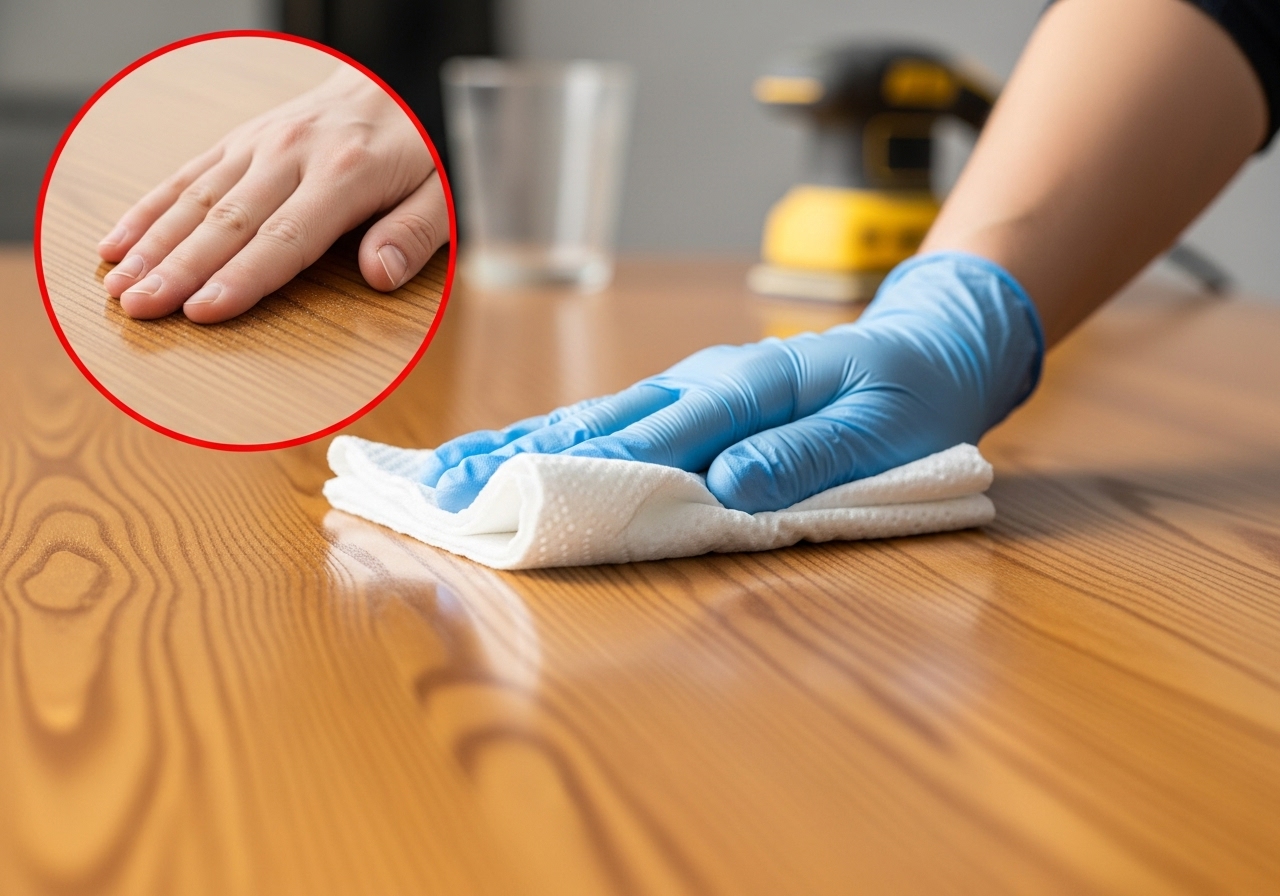
Clutter and grime can quickly dull the appeal of your cherished furniture. Learning cómo mantener tus muebles limpios sin limpiarlos por completo: 1 pieza de polvo is the secret to preserving their beauty.
We will show you easy tricks to refresh your living spaces while enhancing the aesthetic charm with just a simple dusting technique. This technique can significantly impact your furniture’s longevity and appearance.
This technique is simple to implement, requiring minimal time and effort.
The cleaning technique enhances the beauty of your furniture, restoring its shine.
It’s practical for everyday upkeep, preventing dirt buildup and damage.
The technique is versatile, suitable for various furniture types and styles.
Materials for Cómo mantener tus muebles limpios sin limpiarlos por completo: 1 pieza de polvo
Here’s what you’ll need to create this beautiful home project:
The complete materials list, including measurements, is provided in the project details below.
How to Create Cómo mantener tus muebles limpios sin limpiarlos por completo: 1 pieza de polvo
Follow these simple steps to create this beautiful home project:
Step 1: Prepare Your Materials
Gather your microfiber cloths and furniture polish (if using). Ensure you have a clear workspace around the furniture.
Step 2: Dry Dusting
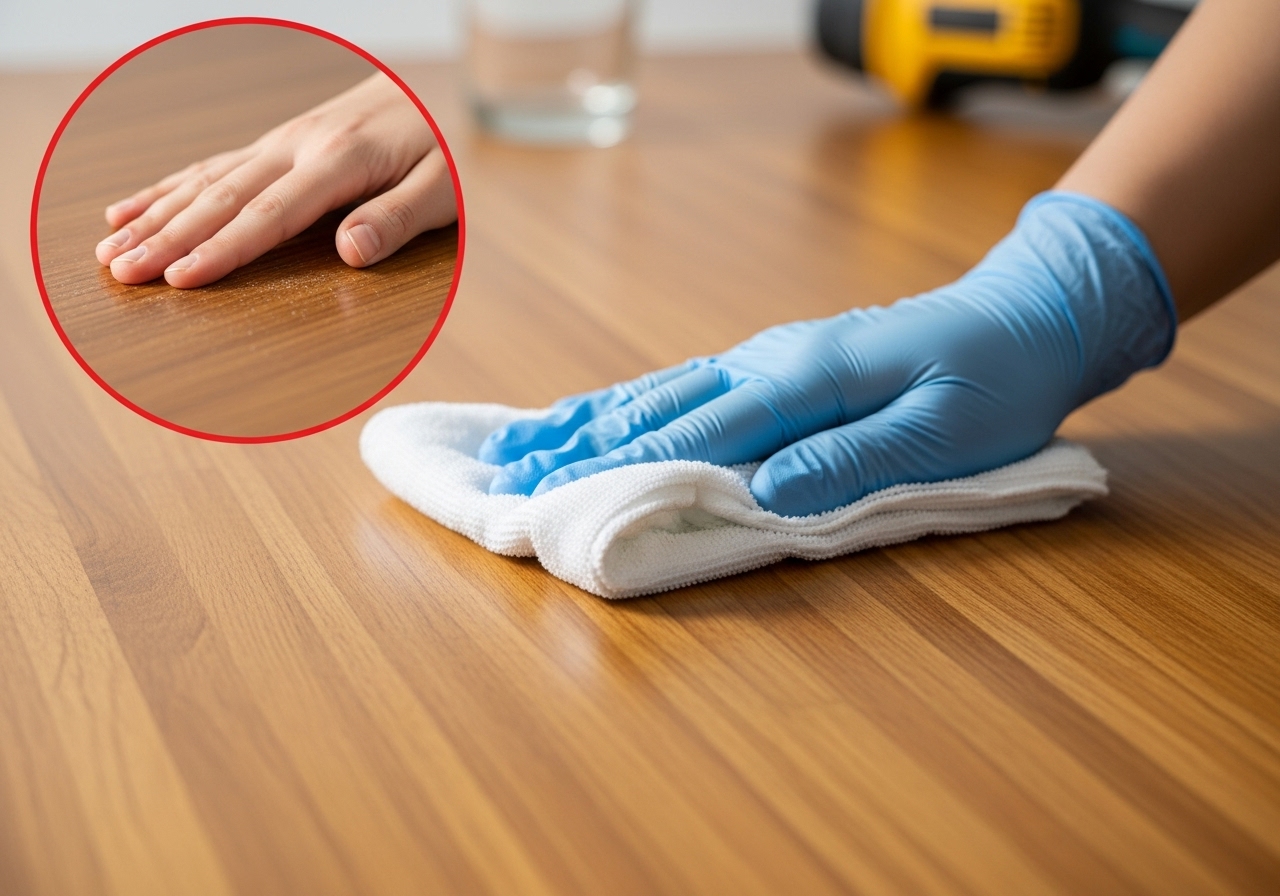
Start by gently wiping down the entire surface of the furniture with a dry microfiber cloth. Focus on areas with visible dust or debris.
Step 3: Damp Dusting (Optional)
If necessary, lightly dampen a clean microfiber cloth with distilled water. Wring out excess water and gently wipe the furniture, ensuring it doesn’t become too wet.
Step 4: Polishing (Optional)
If using furniture polish, apply a small amount to a clean microfiber cloth. Gently rub the polish onto the furniture in circular motions, following the grain of the wood or material.
Step 5: Buffing
Use a clean, dry microfiber cloth to buff the furniture, removing any excess polish and enhancing its shine.
Step 6: Regular Maintenance
Repeat this process regularly (weekly or bi-weekly) to maintain the cleanliness and appearance of your furniture.
Enjoy your beautifully refreshed furniture and share your success with others.
Tips for Dusting Different Types of Furniture
Maintaining a clean and inviting home involves knowing how to care for diverse furniture pieces. Different materials require specific care, so using the right techniques is crucial for preserving your furniture’s beauty and lifespan. Let’s explore some helpful tips for dusting different types of furniture. This will ensure that cómo mantener tus muebles limpios sin limpiarlos por completo: 1 pieza de polvo remains an easy and effective task.
Wood Furniture
Wood furniture is a classic choice, but it can be prone to damage if not properly cared for. Dusting wood furniture involves gently removing surface particles without scratching the finish.
Use a soft microfiber cloth to dust wood furniture regularly.
For stubborn dirt, use a slightly damp cloth, followed by a dry one.
Apply furniture polish specifically designed for wood to protect and enhance the finish.
Avoid using harsh chemicals or abrasive cleaners that can damage the wood.
Always follow the grain of the wood when dusting and polishing to prevent streaks.
Leather Furniture
Leather furniture requires special care to prevent it from drying out and cracking. Regular dusting keeps it looking its best.
Dust leather furniture with a soft, dry cloth to remove loose dirt and debris.
Use a leather cleaner and conditioner to maintain its suppleness and prevent cracks.
Avoid placing leather furniture in direct sunlight, which can cause it to fade and dry out.
Blot spills immediately with a clean, dry cloth to prevent stains.
Test any cleaning products in an inconspicuous area before applying them to the entire surface.
Upholstered Furniture
Upholstered furniture can accumulate dust and allergens over time. Regular dusting and cleaning are essential for maintaining its cleanliness and comfort.
Vacuum upholstered furniture regularly with an upholstery attachment to remove surface dust and dirt.
Use a fabric refresher to eliminate odors and freshen up the upholstery.
Spot clean stains immediately with a mild detergent and water, using a soft cloth.
Consider professional cleaning for deep stains or heavily soiled upholstery.
Rotate and fluff cushions regularly to prevent uneven wear and tear.
Glass and Metal Furniture
Glass and metal furniture can easily show fingerprints and smudges, so regular dusting and cleaning are essential for keeping them looking pristine.
Dust glass furniture with a microfiber cloth and glass cleaner to remove fingerprints and smudges.
Use a metal cleaner specifically designed for the type of metal (e.g., stainless steel, brass) to remove tarnish and restore shine.
Avoid using abrasive cleaners on glass and metal, as they can scratch the surface.
Wipe down metal furniture with a damp cloth and dry it thoroughly to prevent rust.
Use a soft brush to clean hard-to-reach areas on metal furniture.
Rattan and Wicker Furniture
Rattan and wicker furniture require special care to prevent them from becoming brittle and cracked. Regular dusting and cleaning are essential for maintaining their appearance and durability.
Dust rattan and wicker furniture with a soft brush or vacuum with a brush attachment to remove dust and dirt from crevices.
Use a damp cloth to wipe down the surface, but avoid soaking the material.
Apply a sealant or varnish specifically designed for rattan and wicker to protect it from moisture and prevent it from drying out.
Avoid placing rattan and wicker furniture in direct sunlight or extreme temperatures, which can cause it to crack.
Repair any broken or damaged areas promptly to prevent further deterioration.
Advanced Cleaning Techniques
For deep cleaning, consider more advanced techniques, but be sure to research the best approach for your specific furniture type to avoid damage. Knowing cómo mantener tus muebles limpios sin limpiarlos por completo: 1 pieza de polvo effectively ensures your furniture remains in excellent condition.
Steam Cleaning
Steam cleaning can be an effective way to remove stubborn stains and sanitize furniture, especially upholstery.
Use a steam cleaner with an upholstery attachment to gently steam clean the surface.
Test the steam cleaner in an inconspicuous area first to ensure it doesn’t damage the fabric.
Allow the furniture to dry completely before using it.
Avoid over-wetting the furniture, as this can lead to mold and mildew growth.
Follow the manufacturer’s instructions for the steam cleaner and upholstery attachment.
Enzyme Cleaners
Enzyme cleaners are great for removing organic stains and odors from furniture, such as pet stains or food spills.
Apply the enzyme cleaner to the affected area and let it sit for the recommended time.
Blot the area with a clean cloth to remove the stain and cleaner residue.
Repeat the process if necessary.
Test the enzyme cleaner in an inconspicuous area first to ensure it doesn’t damage the fabric.
Follow the manufacturer’s instructions for the enzyme cleaner.
DIY Cleaning Solutions
For those who prefer natural cleaning methods, several DIY solutions can be effective for dusting and cleaning furniture. These solutions are often gentler and safer for both your furniture and the environment.
Vinegar Solution
A mixture of equal parts white vinegar and water can be used to clean and disinfect various surfaces, including wood and glass furniture.
Mix equal parts white vinegar and water in a spray bottle.
Spray the solution onto a clean cloth and wipe down the furniture.
Dry the furniture with a clean cloth to prevent water spots.
Avoid using vinegar on delicate or porous surfaces, such as marble or unfinished wood.
Baking Soda Paste
A paste made from baking soda and water can be used to remove stains and odors from furniture, especially upholstery.
Mix baking soda with enough water to form a paste.
Apply the paste to the affected area and let it sit for a few minutes.
Wipe away the paste with a clean cloth.
Vacuum the area to remove any remaining baking soda residue.
Test the baking soda paste in an inconspicuous area first to ensure it doesn’t damage the fabric.
Lemon Juice
Lemon juice can be used to clean and polish wood furniture, leaving a fresh scent.
Mix lemon juice with olive oil in a ratio of 1:2.
Apply the mixture to a clean cloth and rub it onto the wood furniture.
Buff the furniture with a clean cloth to enhance the shine.
Avoid using lemon juice on delicate or porous surfaces, as it can be acidic.
Preventive Measures to Keep Furniture Clean
Preventive measures can significantly reduce the amount of dusting and cleaning required to maintain your furniture’s appearance. These steps help minimize dust accumulation and protect furniture from damage.
Use Furniture Covers
Furniture covers can protect your furniture from dust, dirt, and spills, especially in high-traffic areas or homes with pets and children.
Choose covers that are made from breathable fabric to prevent moisture buildup.
Ensure the covers fit snugly to protect the entire surface of the furniture.
Wash the covers regularly to remove accumulated dirt and allergens.
Consider using different covers for different seasons to protect furniture from sun damage or moisture.
Place Doormats
Placing doormats at entrances can prevent dirt and debris from being tracked into your home, reducing the amount of dust that settles on your furniture.
Choose doormats that are effective at trapping dirt and moisture.
Clean or replace doormats regularly to maintain their effectiveness.
Encourage family members and guests to wipe their feet before entering the house.
Control Humidity
Maintaining proper humidity levels in your home can prevent furniture from drying out or becoming damaged by moisture.
Use a humidifier to increase humidity levels in dry environments.
Use a dehumidifier to decrease humidity levels in damp environments.
Ensure proper ventilation in your home to prevent moisture buildup.
Avoid placing furniture near sources of moisture, such as leaky pipes or damp walls.
Learning these tips will not only maintain the beauty of your furniture but also ensure a healthier and more comfortable living environment. Simple dusting, combined with proper preventive measures, is the key to keeping your home looking its best.
Perfecting the Home Project Process
To achieve the best results in any home project, first gather all necessary materials and tools. Meticulously follow each step in order, avoiding shortcuts. This structured approach ensures efficiency and a professional finish every time. Planning prevents problems.
Add Your Personal Touch
Infuse your personality into every project by carefully selecting colors and decorative elements that resonate with your style. Consider optional enhancements that elevate the design, turning ordinary projects into unique reflections of your creativity and taste. Don’t be afraid to experiment!
Caring for Your Creation
To maintain the quality of your work, clean and maintain your projects regularly. Use appropriate products and techniques to prevent damage. Protect your creations from excessive moisture or sunlight to ensure lasting beauty and functionality. Simple steps guarantee longevity.
Here are three helpful tips for perfecting your home projects:
Thoroughly clean surfaces before painting or applying finishes to ensure proper adhesion and a smooth, even coat.
Invest in high-quality tools; they make the job easier and often deliver better results, saving time and frustration.
Always measure twice and cut once to prevent costly mistakes and wasted materials. Precision is key to successful projects.
(Personal anecdote formated as paragraph subheading)
I remember when I built my first bookshelf. My grandpa’s tip about using wood glue and clamps was invaluable. It made all the difference in the stability and longevity of the piece.
The Art of Plant Care: More Than Just Watering
Many believe plant care is simply watering, but it involves understanding each plant’s unique needs. Sunlight, soil type, and humidity play critical roles in their health. Learn to identify signs of distress, like yellowing leaves, to address problems quickly.
Understanding Sunlight Requirements
Plants vary greatly in their sunlight needs. Some thrive in direct sunlight, while others prefer shade. Research the specific requirements of each plant to ensure it receives the appropriate amount of light. Insufficient or excessive light can hinder growth.
Choosing the Right Soil
Soil provides essential nutrients and support for plants. Different plants require different soil compositions. Well-draining soil prevents root rot, while nutrient-rich soil promotes healthy growth. Consider amending your soil with compost or fertilizer as needed.
Watering Wisely
Overwatering and underwatering are common mistakes. Check the soil moisture before watering; the top inch should be dry to the touch. Water deeply and less frequently to encourage strong root growth. Adjust your watering schedule based on the season and plant type.
Maintaining Spotless Furniture Without Extensive Cleaning: A Dusting Guide
Cómo mantener tus muebles limpios sin limpiarlos por completo: 1 pieza de polvo doesn’t always mean intensive scrubbing. Regular dusting is often enough. Dusting prevents buildup and keeps furniture looking fresh. Simple habits make a big difference.
The Right Tools for Dusting
Use microfiber cloths or feather dusters to effectively remove dust without scratching surfaces. Avoid using abrasive materials that can damage furniture. Dampen cloths slightly for better dust collection. The proper tool protects your investments.
Dusting Techniques That Work
Start dusting from the top down to prevent re-dusting lower surfaces. Pay attention to corners, crevices, and detailed areas where dust accumulates. Move furniture occasionally to dust underneath and behind. Consistency is key to effective dusting.
Protecting Your Furniture
Use furniture polish or wax to protect surfaces from scratches and dust. Apply these products sparingly and follow the manufacturer’s instructions. Consider using coasters and placemats to prevent stains and damage. Protection prolongs your furniture’s life.
Transforming Your Garden: Gardening Tips for Every Season
Gardening is a year-round activity with different tasks each season. Preparing your garden properly, choosing the right plants, and providing ongoing care are crucial for success. These insights help beginners and experienced gardeners.
Spring Awakening
Spring is the time to plant new flowers and vegetables. Prepare your soil by adding compost and fertilizer. Start seeds indoors to get a head start. Prune shrubs and trees to encourage new growth. Spring sets the stage for a bountiful garden.
Summer Bloom
Summer requires regular watering and weeding. Monitor your plants for pests and diseases. Deadhead spent flowers to promote continuous blooming. Harvest vegetables as they ripen. Summer showcases your garden’s beauty.
Autumn Harvest
Autumn is the time to harvest your crops and prepare your garden for winter. Clean up fallen leaves and debris. Plant bulbs for spring flowers. Mulch your plants to protect them from frost. Autumn ensures a healthy garden next year.
Winter Rest
Winter is a time for rest and planning. Prune trees and shrubs while they are dormant. Clean and sharpen your gardening tools. Plan your garden layout for the coming year. Winter prepares you for the next growing season.
Easy DIY Home Projects for Beginners
DIY projects are a great way to enhance your home’s style and functionality without breaking the bank. Simple projects can yield impressive results and are perfect for beginners. These tips will get you started.
Creating a Gallery Wall
A gallery wall adds personality to any room. Choose a theme or color scheme to create a cohesive look. Use a variety of frames and sizes for visual interest. Arrange the frames on the floor before hanging them to ensure a balanced layout.
Building a Simple Bookshelf
A bookshelf is a functional and stylish addition to any home. Use pre-cut lumber for easy assembly. Sand and paint or stain the wood to match your decor. Secure the bookshelf to the wall for added stability.
Repurposing Old Furniture
Give old furniture new life with a fresh coat of paint or new hardware. Sand down the surface before painting or staining. Add new fabric to cushions or reupholster chairs. Repurposing is an economical way to update your home.
(Personal anecdote formated as paragraph subheading)
I once transformed an old dresser into a stylish bathroom vanity. Friends were amazed at the transformation, and it added a unique touch to the space.
Advanced Techniques for Home Enthusiasts
For those with some experience, advanced techniques can take your home improvement skills to the next level. Mastering these techniques will allow you to tackle more complex projects with confidence. Precision and patience are crucial.
Tile Installation
Tile installation requires careful planning and execution. Prepare the surface properly by cleaning and leveling it. Use a tile saw for precise cuts. Apply grout evenly and clean off excess grout. Tile enhances the beauty and durability of your home.
Installing Crown Molding
Crown molding adds elegance to any room. Measure and cut the molding accurately. Use a miter saw to create angled cuts. Secure the molding to the wall with nails and adhesive. Crown molding elevates the aesthetic appeal of your home.
Building a Deck
Building a deck requires careful planning and construction. Obtain necessary permits and follow building codes. Use pressure-treated lumber for durability. Secure the deck to the house and ensure proper drainage. A deck provides outdoor living space and increases your home’s value.
Conclusion for Cómo mantener tus muebles limpios sin limpiarlos por completo: 1 pieza de polvo
En resumen, mantener tus muebles limpios y tu hogar libre de polvo no requiere limpiezas profundas constantes. Con medidas preventivas simples, como el uso de felpudos y la limpieza regular de filtros, puedes reducir significativamente la acumulación de polvo. Para la limpieza diaria, un paño de microfibra seco es tu mejor aliado para muebles de madera, mientras que un cepillo suave es ideal para tapicerías. No olvides limpiar las hojas de tus plantas para que puedan prosperar. Con estos consejos, disfrutarás de un hogar más limpio y saludable sin invertir horas en la limpieza.
FAQs
¿Cómo puedo eliminar el polvo de mis muebles tapizados sin dañarlos?
Para mantener tus muebles tapizados impecables sin recurrir a limpiezas profundas, puedes usar un cepillo de cerdas suaves o un accesorio de cepillo para tapicería en tu aspiradora. Aspira suavemente la superficie del mueble, prestando especial atención a las grietas y pliegues donde se acumula el polvo. Si encuentras manchas leves, humedece un paño limpio con agua tibia y frota suavemente la mancha. Asegúrate de secar la zona con un paño seco para evitar que quede humedad atrapada. Recuerda siempre probar cualquier solución de limpieza en una zona discreta del mueble antes de aplicarla en toda la superficie.
¿Cuál es la mejor forma de limpiar el polvo de las plantas de interior?
El polvo que se acumula en las hojas de tus plantas puede impedir que realicen la fotosíntesis correctamente. Para mantenerlas saludables y radiantes, puedes limpiar las hojas con un paño húmedo. Simplemente humedece un paño suave con agua tibia y limpia cada hoja con cuidado, asegurándote de eliminar todo el polvo. Para plantas con hojas más pequeñas o delicadas, puedes usar un rociador para rociar las hojas con agua y luego sacudirlas suavemente para eliminar el polvo. Otra opción es colocar las plantas en la ducha y darles un breve enjuague con agua tibia.
¿Qué trucos puedo usar para prevenir la acumulación de polvo en casa?
Prevenir la acumulación de polvo es más fácil que eliminarlo. Usa felpudos en las entradas para evitar que el polvo entre en casa. Limpia los filtros de tu sistema de aire acondicionado y calefacción regularmente. Aspira y trapea los pisos con frecuencia, especialmente en áreas de alto tráfico. Considera usar purificadores de aire para filtrar el polvo y otros alérgenos del aire. Ventila tu casa regularmente, pero evita hacerlo durante las horas de mayor contaminación. Otra gran ayuda es reducir el desorden, ya que las superficies despejadas acumulan menos polvo.
¿Cómo puedo mantener mis muebles de madera libres de polvo sin limpiarlos completamente?
Una pieza de polvo es suficiente para hacer la diferencia. Para mantener tus muebles de madera limpios sin necesidad de una limpieza exhaustiva, desempolva regularmente con un paño de microfibra suave y seco. Este tipo de paño atrapa el polvo en lugar de simplemente moverlo. Evita usar paños húmedos, ya que la humedad puede dañar la madera con el tiempo. Para muebles con acabados brillantes, puedes usar un producto específico para pulir madera cada pocos meses para mantener el brillo y proteger la superficie. Si encuentras polvo persistente, humedece ligeramente el paño con agua y sécalo inmediatamente después.