
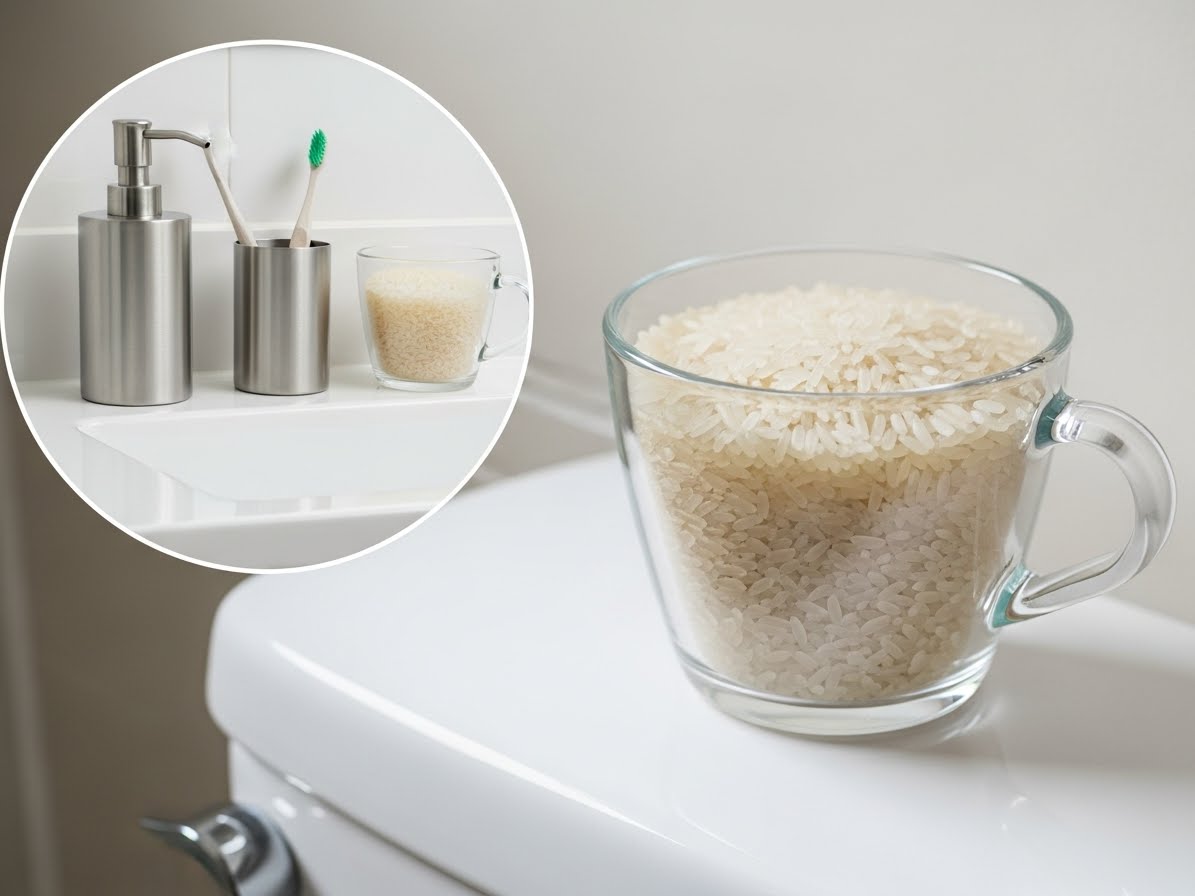
El hogar es nuestro santuario, un reflejo de nuestra personalidad y un espacio donde buscamos confort y bienestar. Mantenerlo impecable y agradable es esencial, pero a veces nos enfrentamos a problemas comunes que pueden afectar nuestro entorno. El truco del vaso de arroz en el baño es la solución definitivamente a un problema muy habitual, una alternativa natural y eficaz que te sorprenderá por su sencillez y resultados.
Imagínate entrar a tu baño y sentir un ambiente fresco y limpio, sin olores molestos que arruinen la experiencia. Con este sencillo truco, podrás transformar tu baño en un oasis de tranquilidad, utilizando ingredientes que probablemente ya tienes en casa. Descubre cómo el truco del vaso de arroz en el baño es la solución definitivamente a un problema muy habitual puede convertirse en tu mejor aliado para mantener un hogar fresco y acogedor.
Este truco es increíblemente fácil de implementar, requiriendo solo arroz y aceites esenciales, lo que lo convierte en una solución accesible para todos.
Más allá de eliminar olores, este truco embellece el baño con un toque natural y estético, integrándose armoniosamente con la decoración existente.
El arroz actúa como un potente absorbente de humedad y olores, ayudando a mantener el baño seco y con un aroma fresco y agradable.
Este método es versátil, permitiendo personalizar el aroma con diferentes aceites esenciales, adaptándose a tus preferencias y necesidades específicas.
Materials for El truco del vaso de arroz en el baño es la solución definitivamente a un problema muy habitual
Here’s what you’ll need to create this beautiful home project:
The complete materials list, including measurements, is provided in the project details below.
How to Create El truco del vaso de arroz en el baño es la solución definitivamente a un problema muy habitual
Follow these simple steps to create this beautiful home project:
Step 1: Prepara el arroz
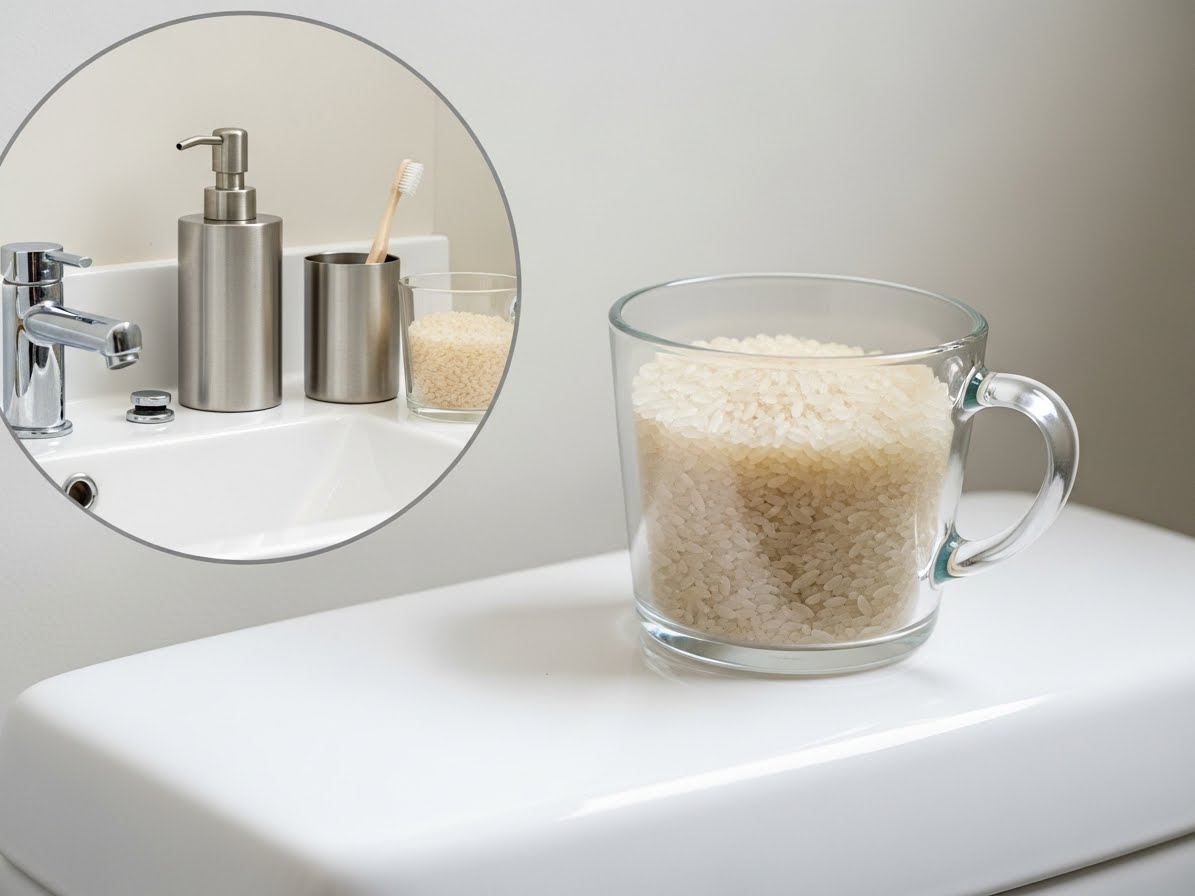
Vierte una taza de arroz blanco crudo en el vaso o recipiente que hayas elegido. Asegúrate de que el recipiente esté limpio y seco antes de comenzar.
Step 2: Añade los aceites esenciales
Agrega de 10 a 15 gotas de tu aceite esencial favorito al arroz. Puedes usar un solo aceite o combinar varios para crear una fragancia personalizada. La lavanda es ideal para un ambiente relajante, mientras que el eucalipto y el limón son perfectos para refrescar el espacio.
Step 3: Mezcla los ingredientes
Remueve bien el arroz para que los aceites esenciales se distribuyan uniformemente. Asegúrate de que todos los granos de arroz estén impregnados con el aroma del aceite.
Step 4: Cubre el vaso (opcional)
Si lo deseas, puedes cubrir el vaso con una tela de algodón o gasa para evitar que el arroz se derrame. Asegura la tela con una goma elástica alrededor del borde del vaso.
Step 5: Coloca el vaso en el baño
Ubica el vaso en un lugar estratégico del baño, lejos de fuentes de agua directa y fuera del alcance de niños y mascotas. Un estante, la encimera del lavabo o incluso el borde de la bañera pueden ser lugares adecuados.
Step 6: Disfruta del ambiente fresco
Disfruta de un ambiente fresco y libre de olores en tu baño. Reemplaza el arroz cada dos o tres semanas, o cuando notes que el aroma disminuye. Puedes reutilizar el arroz en otros proyectos de jardinería.
Este truco sencillo pero efectivo te ayudará a mantener tu baño fresco y agradable. ¡Comparte esta idea con tus amigos y familiares para que también puedan disfrutar de un hogar con un ambiente renovado!
Ahora que has descubierto cómo el truco del vaso de arroz en el baño es la solución definitivamente a un problema muy habitual, exploremos otras técnicas para mantener tu hogar impecable y acogedor, tanto en interiores como en exteriores.
Consejos Adicionales para el Cuidado del Hogar
Mantener nuestro hogar en óptimas condiciones requiere atención y cuidado continuo. Aquí te presentamos algunos consejos adicionales que te ayudarán a crear un ambiente más agradable y funcional.
Jardinería para Principiantes
Cultivar un jardín, por pequeño que sea, puede traer alegría y frescura a tu hogar. Si eres principiante, comienza con plantas fáciles de cuidar como suculentas, hierbas aromáticas o flores resistentes como las caléndulas. Asegúrate de proporcionarles la luz solar adecuada y regarlas según sus necesidades específicas. Un pequeño huerto urbano puede ser una excelente manera de cultivar tus propias hierbas y vegetales frescos.
Técnicas de Limpieza Natural
Evita los productos químicos agresivos y opta por alternativas naturales para la limpieza de tu hogar. El vinagre blanco es un excelente desinfectante y desengrasante, mientras que el bicarbonato de sodio es ideal para eliminar manchas y neutralizar olores. Mezcla jugo de limón con agua para crear un limpiador multiusos con un aroma fresco y cítrico.
Proyectos DIY para el Hogar
Realizar proyectos DIY (hazlo tú mismo) puede ser una forma divertida y económica de mejorar tu hogar. Considera renovar muebles viejos con pintura y nuevos tiradores, crear estantes flotantes con madera reciclada o confeccionar cojines y cortinas personalizadas. Los proyectos DIY no solo te permiten ahorrar dinero, sino que también te brindan la satisfacción de crear algo único y especial para tu hogar.
Organización y Almacenamiento
Mantener tu hogar organizado es fundamental para crear un ambiente tranquilo y funcional. Utiliza cajas, cestos y estantes para maximizar el espacio de almacenamiento. Etiqueta los contenedores para identificar fácilmente su contenido. Deshazte de los objetos que ya no necesitas y dona aquellos que puedan ser útiles para otros. Un hogar organizado es un hogar más relajante y acogedor.
Decoración Sostenible
Adopta prácticas de decoración sostenible para reducir tu impacto ambiental. Elige muebles y accesorios fabricados con materiales reciclados o renovables. Incorpora plantas de interior para purificar el aire y añadir un toque de frescura a tus espacios. Utiliza iluminación LED de bajo consumo y aprovecha al máximo la luz natural.
Siguiendo estos consejos, podrás transformar tu hogar en un espacio más hermoso, funcional y sostenible. Recuerda que el truco del vaso de arroz en el baño es la solución definitivamente a un problema muy habitual, y con un poco de creatividad y dedicación, puedes crear un ambiente que refleje tu estilo personal y promueva tu bienestar.
Mantenimiento y Optimización Continuos
Una vez que hayas implementado estos trucos y consejos, es importante realizar un mantenimiento y optimización continuos para asegurar que tu hogar siga siendo un espacio agradable y funcional.
Rotación de Aceites Esenciales
Para evitar la fatiga olfativa, rota los aceites esenciales que utilizas en el vaso de arroz. Prueba diferentes combinaciones y fragancias según la temporada o tu estado de ánimo. Considera utilizar aceites esenciales con propiedades específicas, como el aceite de árbol de té para desinfectar o el aceite de lavanda para promover la relajación.
Revisión de la Humedad
Monitorea los niveles de humedad en tu baño y ajusta la cantidad de arroz en el vaso según sea necesario. Si vives en un área húmeda, es posible que necesites reemplazar el arroz con mayor frecuencia. Considera utilizar un deshumidificador adicional si la humedad es un problema persistente.
Reutilización del Arroz
Una vez que el arroz haya absorbido los olores y la humedad del baño, no lo tires. Puedes reutilizarlo en otros proyectos de jardinería, como acolchado para plantas o como ingrediente en compostaje. También puedes utilizarlo para absorber derrames de líquidos o para limpiar molinillos de café.
Ajustes Estacionales
Adapta tus rutinas de cuidado del hogar a las diferentes estaciones del año. En invierno, enfócate en mantener el calor y la humedad adecuados. En verano, prioriza la ventilación y la protección contra el sol. Ajusta tus prácticas de jardinería según las necesidades específicas de cada estación.
Evaluación Continua
Realiza evaluaciones periódicas de tu hogar para identificar áreas de mejora. Observa cómo utilizas tus espacios y busca formas de optimizar su funcionalidad y comodidad. Considera realizar pequeñas renovaciones o actualizaciones según sea necesario para mantener tu hogar en óptimas condiciones.
Al seguir estos consejos de mantenimiento y optimización continuos, te asegurarás de que el truco del vaso de arroz en el baño es la solución definitivamente a un problema muy habitual siga siendo efectivo y de que tu hogar siga siendo un espacio agradable y funcional durante muchos años. Recuerda que el cuidado del hogar es un proceso continuo que requiere atención y dedicación, pero los resultados valen la pena.
Perfecting the Home Project Process
For the most efficient and beautiful results, careful planning is key. Make sure to gather all necessary materials and tools before starting. Follow the steps in the correct order, paying close attention to details, to ensure a smooth process and a stunning final product.
Add Your Personal Touch
Don’t be afraid to get creative and personalize your project! Consider different color schemes that match your existing decor, add unique decorative elements, or incorporate optional enhancements that reflect your personal style. Make it your own!
Caring for Your Creation
Proper care and maintenance will keep your project looking its best for years to come. Regularly clean the area with appropriate products. Address any minor repairs promptly to prevent more significant issues and preserve the quality of your work.
Here are some helpful tips for perfecting your home project:
Thoroughly prepare the surface before painting; this ensures the paint adheres correctly and provides a smooth, lasting finish.
Invest in quality tools; they make the work easier and deliver superior results, saving you time and frustration.
Always double-check measurements before cutting materials; accuracy prevents waste and ensures a professional-looking outcome.
(Personal anecdote formated as paragraph subheading (very important! don’t write any title for this paragraph))
I remember when I finally finished my bathroom renovation; my friends were so impressed! They said it looked like a professional did it. That made all the hard work worthwhile.
El truco del vaso de arroz en el baño es la solución definitivamente a un problema muy habitual
Have you ever noticed a persistent dampness or unpleasant odor in your bathroom, even after cleaning? This is a common issue that many homeowners face. The humidity in the bathroom can lead to mold and mildew growth, which not only smells bad but can also be harmful to your health. Air fresheners offer a temporary solution, but they don’t address the underlying problem of moisture. Luckily, there’s a simple, natural, and effective solution that involves something you probably already have in your kitchen: rice.
The Science Behind Rice: A Natural Desiccant
Rice is a fantastic natural desiccant, meaning it absorbs moisture from the air. Its porous structure allows it to trap water molecules, effectively reducing humidity in enclosed spaces like bathrooms. This simple trick can help prevent the growth of mold and mildew, eliminate unpleasant odors, and create a fresher, more comfortable environment. Using rice is an environmentally friendly alternative to chemical-based air fresheners and dehumidifiers.
How to Use the Rice Trick Effectively
To use this method, you’ll need a small container, such as a glass jar or decorative bowl, and a cup of uncooked rice. White rice, brown rice, or even leftover rice grains can be used. Simply fill the container with the rice and place it in your bathroom, preferably in an area where humidity tends to accumulate, such as near the shower or sink. For optimal results, replace the rice every two to three weeks, or when you notice it has become damp or discolored.
Benefits Beyond Odor Control
The benefits of using rice in your bathroom extend beyond just odor control. By reducing humidity, you can also help protect your bathroom fixtures and surfaces from water damage. Excess moisture can cause paint to peel, wood to warp, and metal to rust. Keeping humidity levels in check can prolong the life of your bathroom and save you money on repairs in the long run.
Gardening Tips for Beginners: Cultivating Your Green Thumb
Starting a garden can seem daunting, but it’s a rewarding hobby that brings beauty and fresh produce to your home. Here are some essential tips for beginners to ensure a successful gardening experience:
Choosing the Right Location
Sunlight is crucial for plant growth. Most vegetables and flowering plants require at least six hours of direct sunlight per day. Observe your yard throughout the day to identify areas that receive ample sunlight. Consider the soil type as well; well-draining soil is essential for healthy root development. If your soil is poor, consider amending it with compost or other organic matter.
Selecting Easy-to-Grow Plants
For beginners, it’s best to start with plants that are known for their resilience and ease of care. Some great options include:
Herbs: Basil, mint, and chives are easy to grow in pots or garden beds.
Vegetables: Tomatoes, zucchini, and lettuce are relatively low-maintenance.
Flowers: Marigolds, zinnias, and sunflowers are colorful and beginner-friendly.
Watering and Fertilizing
Proper watering is essential for plant health. Water deeply but infrequently, allowing the soil to dry out slightly between waterings. Overwatering can lead to root rot, while underwatering can cause plants to wilt and die. Fertilize your plants regularly with a balanced fertilizer to provide them with the nutrients they need to thrive. Follow the instructions on the fertilizer packaging for proper application.
Protecting Your Plants from Pests
Pests can quickly wreak havoc on your garden. Regularly inspect your plants for signs of infestation, such as chewed leaves or visible insects. Use natural pest control methods whenever possible, such as introducing beneficial insects like ladybugs or using insecticidal soap. Preventative measures, such as keeping your garden clean and free of debris, can also help deter pests.
DIY Home Decor Projects: Adding Personality to Your Space
DIY home decor projects are a fun and affordable way to personalize your living space. Here are a few ideas to get you started:
Creating a Gallery Wall
A gallery wall is a collection of framed art, photos, and other decorative items arranged on a wall. To create a gallery wall, start by laying out your items on the floor to experiment with different arrangements. Consider using a variety of frame sizes and styles to add visual interest. Use painter’s tape to mark the placement of each frame on the wall before hammering in nails or hanging hardware.
Repurposing Old Furniture
Give old furniture a new lease on life with a fresh coat of paint or some new hardware. Sand down the surface of the furniture to create a smooth base for painting. Choose a paint color that complements your decor and apply several thin coats for best results. Replace old knobs and pulls with stylish new ones to complete the transformation.
Making Decorative Pillows
Decorative pillows are an easy and inexpensive way to add color and texture to your living room or bedroom. You can make your own pillow covers using fabric scraps, old t-shirts, or even burlap. Simply cut two pieces of fabric to the desired size, sew them together along three sides, insert a pillow form, and then sew the final side closed. Add embellishments like buttons, ribbons, or embroidery to personalize your pillows.
Creating Plant Hangers
Bring the outdoors in with handmade plant hangers. You can create plant hangers using macrame techniques, rope, or even old t-shirts. Choose a sturdy material that can support the weight of your plant and pot. Hang your plant hangers near a window to provide your plants with ample sunlight.
Essential Home Maintenance Tasks: Protecting Your Investment
Regular home maintenance is essential for protecting your investment and preventing costly repairs down the road. Here are some essential home maintenance tasks that every homeowner should perform:
Checking for Leaks
Inspect your plumbing fixtures, including faucets, toilets, and pipes, for leaks. Even small leaks can waste water and cause damage over time. Repair any leaks promptly to prevent further problems.
Cleaning Gutters and Downspouts
Clogged gutters and downspouts can cause water to back up and damage your roof, siding, and foundation. Clean your gutters and downspouts at least twice a year to remove leaves, debris, and other obstructions.
Inspecting Your Roof
Regularly inspect your roof for signs of damage, such as missing shingles, cracks, or leaks. Repair any damage promptly to prevent water from entering your home and causing further damage.
Servicing Your HVAC System
Schedule regular maintenance for your HVAC system to ensure it’s running efficiently and effectively. Change your air filters regularly to improve air quality and prolong the life of your system.
Achieving a Cozy and Inviting Living Space
Creating a cozy and inviting living space is all about making your home feel comfortable, welcoming, and reflective of your personal style. Here are some tips to help you achieve this:
Soft Lighting
Opt for warm, soft lighting to create a relaxing atmosphere. Use lamps with dimmer switches to adjust the brightness to your liking. Consider adding candles or string lights for a touch of ambiance.
Comfortable Furniture
Invest in comfortable furniture that you’ll love spending time on. Choose sofas and chairs with plush cushions and soft fabrics. Add throw pillows and blankets for extra comfort and visual appeal.
Warm Colors
Use warm colors like beige, cream, and gray to create a sense of calm and tranquility. Add pops of color with accent pieces like artwork, rugs, and throw pillows.
Personal Touches
Display items that are meaningful to you, such as family photos, travel souvenirs, and handmade crafts. These personal touches will make your home feel more welcoming and inviting.
The Joy of Home Improvement: Embracing the Process
Home improvement projects can be challenging, but they’re also incredibly rewarding. Embracing the process and enjoying the journey is key to a successful and satisfying outcome. Remember to be patient, take your time, and don’t be afraid to experiment. With a little creativity and effort, you can transform your house into the home of your dreams.
Learning from Mistakes
Everyone makes mistakes, especially when tackling home improvement projects. Don’t get discouraged if things don’t go perfectly the first time. View mistakes as learning opportunities and use them to improve your skills.
Celebrating Your Accomplishments
Take the time to celebrate your accomplishments, no matter how small. Acknowledge the hard work and effort you put into your projects and enjoy the satisfaction of creating something beautiful and functional.
Finding Inspiration
Look for inspiration from magazines, websites, and social media to spark your creativity and get new ideas for your home. Don’t be afraid to adapt ideas to suit your personal style and needs.
Sharing Your Projects
Share your home improvement projects with friends and family. Get their feedback and celebrate your accomplishments together. You might even inspire others to embark on their own home improvement journeys.
Conclusion for El truco del vaso de arroz en el baño es la solución definitivamente a un problema muy habitual
En resumen, mantener un hogar confortable y bello es un proceso continuo que requiere atención y cuidado. Desde solucionar problemas de humedad hasta crear jardines verticales, cada proyecto mejora nuestro entorno. Recordar los consejos sobre ventilación, elección de plantas adecuadas y cuidado del césped nos ayuda a mantener nuestros espacios en óptimas condiciones. Aplicar estos trucos, como el ingenioso uso del arroz en el baño para combatir la humedad, marca la diferencia en la calidad de vida en nuestro hogar.
FAQs
¿Cómo puedo mejorar la ventilación de mi baño para evitar la humedad?
Una buena ventilación es crucial para evitar problemas de humedad en el baño. Instala o mejora el extractor de aire, asegurándote de que expulse el aire al exterior. Abre la ventana después de ducharte para permitir que el aire fresco circule y elimine el vapor. Limpia regularmente el extractor para mantener su eficiencia. Considera usar un deshumidificador si la humedad persiste. Estas medidas simples pueden prevenir el crecimiento de moho y mantener un ambiente más saludable en tu baño. Además, asegúrate de no bloquear las rejillas de ventilación existentes.
¿Qué plantas son ideales para interiores con poca luz?
Si tu hogar recibe poca luz natural, existen varias plantas que pueden prosperar. La sansevieria (lengua de suegra) es resistente y requiere poco mantenimiento. El zamioculcas zamiifolia (ZZ plant) también tolera la sombra y necesita poco riego. El potos es una planta colgante fácil de cuidar que se adapta a condiciones de baja luminosidad. La aspidistra (planta de hierro) es otra opción robusta. Al elegir estas plantas, asegúrate de no excederte con el riego, ya que la falta de luz reduce la velocidad a la que utilizan el agua.
¿Cómo puedo crear un jardín vertical en un espacio pequeño?
Los jardines verticales son una excelente manera de agregar vegetación a espacios reducidos. Utiliza una estructura de pared con bolsillos o macetas colgantes. Elige plantas compactas como suculentas, hierbas aromáticas o fresas. Asegúrate de que la estructura tenga un sistema de riego adecuado, ya sea manual o automatizado. Considera la orientación de la pared para seleccionar plantas que se adapten a la cantidad de luz solar que recibe. Un jardín vertical no solo embellece, sino que también mejora la calidad del aire y crea un ambiente relajante.
¿Cuáles son los mejores consejos para el cuidado del césped en verano?
En verano, el cuidado del césped requiere atención especial. Riega profundamente y con menos frecuencia, preferiblemente temprano en la mañana para reducir la evaporación. Evita cortar el césped demasiado corto, ya que esto puede debilitarlo y hacerlo más susceptible a la sequía. Fertiliza según las necesidades de tu tipo de césped. Elimina las malas hierbas de forma regular para evitar que compitan por los nutrientes y el agua. Considera utilizar un mantillo para ayudar a retener la humedad en el suelo.