
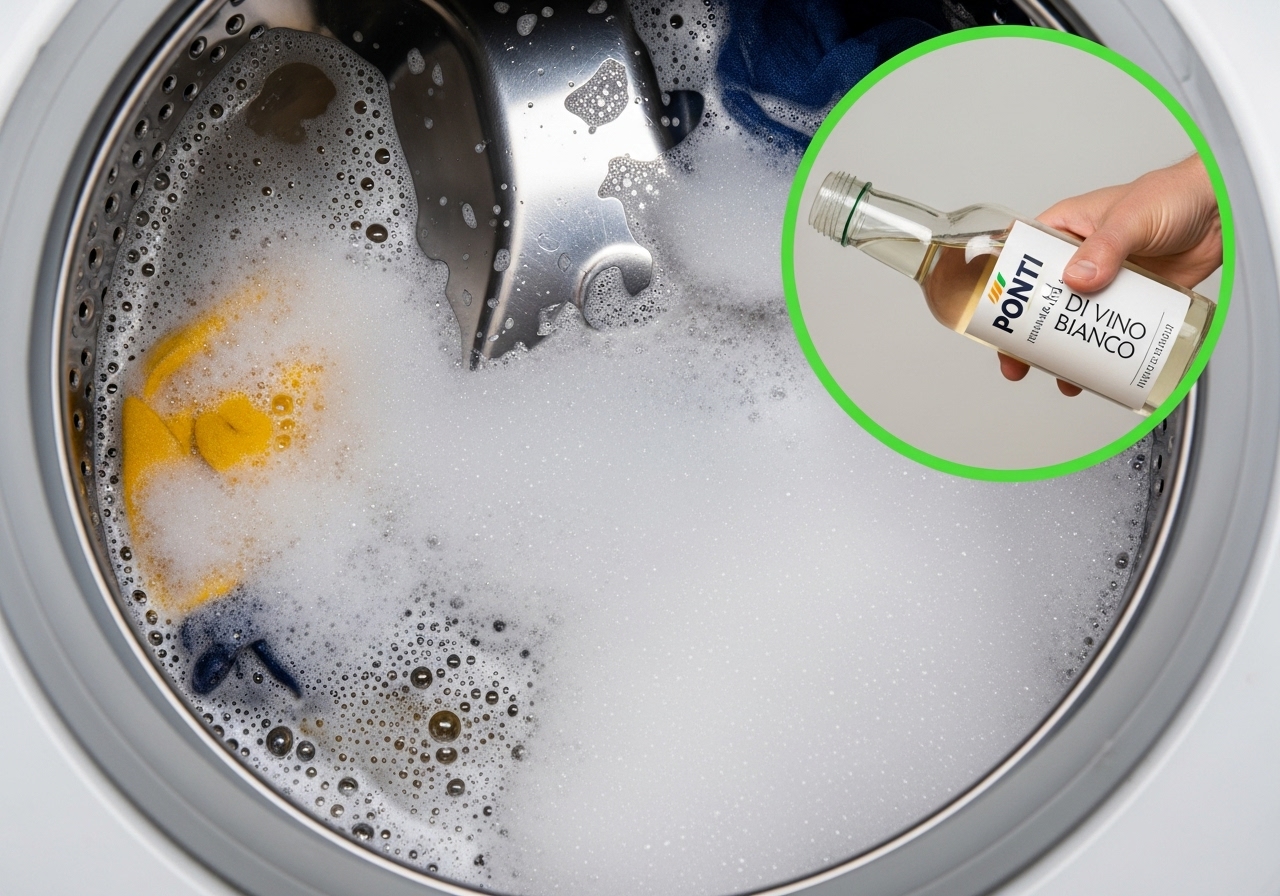
The allure of a flawlessly clean and vibrant wardrobe is undeniable. Imagine refreshing your whites to a dazzling brilliance and reviving your colors to their original splendor, all while using a surprising secret ingredient found right in your kitchen.
This unexpected method is more than just a simple hack; it’s a transformative experience that brings new life to your garments. Let’s discover how el vino es el truco para conseguir ropa más bonita, ropa más blanca y ropa más colorida, unlocking the potential for a brighter, more beautiful wardrobe.
Here are some of the key benefits you’ll unlock:
Effortlessly brighten your whites, achieving a level of luminosity you never thought possible without harsh chemicals.
Revitalize faded colors, restoring them to their original vibrancy and extending the life of your favorite garments.
Embrace an eco-friendly approach to laundry, reducing your reliance on potentially harmful synthetic detergents.
Discover a simple, cost-effective solution that delivers exceptional results, saving you time and money.
Materials for El vino es el truco para conseguir ropa más bonita, ropa más blanca y ropa más colorida.
Here’s what you’ll need to create this beautiful home project:
The complete materials list, including measurements, is provided in the project details below.
How to Create El vino es el truco para conseguir ropa más bonita, ropa más blanca y ropa más colorida.
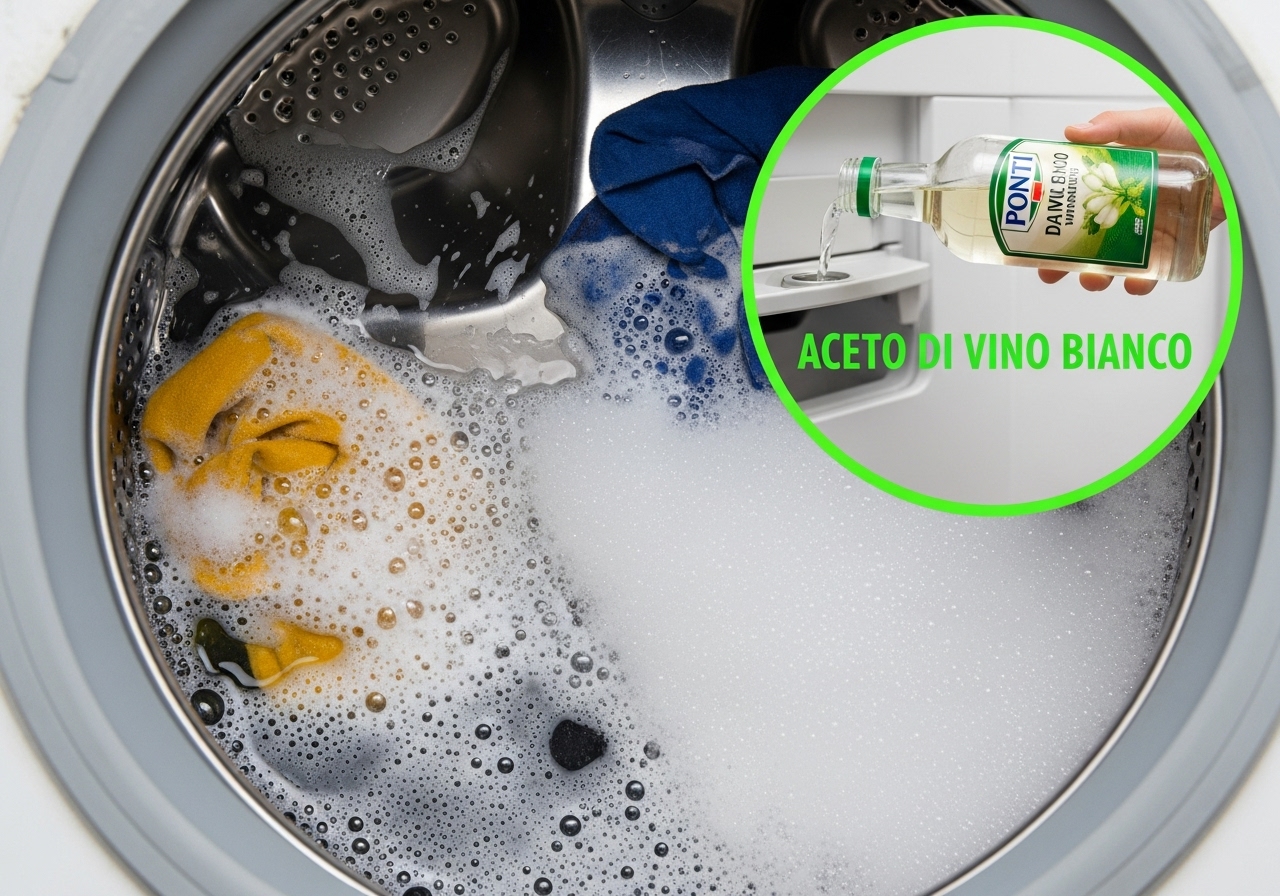
Follow these simple steps to create this beautiful home project:
Step 1: Prepare Your Laundry
Sort your laundry into whites, colors, and delicates as you normally would. This prevents color bleeding and ensures that each type of fabric receives the appropriate treatment during the washing process.
Step 2: Add Wine and Vinegar to the Washing Machine
Pour one cup of white wine and one cup of white vinegar into the washing machine drum before adding your clothes. The wine and vinegar will act as natural bleaching and softening agents.
Step 3: Add Baking Soda and Detergent
Add half a cup of baking soda and your regular amount of liquid laundry detergent to the dispenser. The baking soda will boost the whitening and deodorizing power, while the detergent cleans your clothes.
Step 4: Load Your Clothes and Start the Washing Machine
Load your clothes into the washing machine, ensuring that you don’t overload it. Select the appropriate wash cycle for your clothes (e.g., delicate, normal, or heavy-duty) and start the machine.
Step 5: Dry Your Clothes
Once the wash cycle is complete, remove your clothes from the washing machine and dry them as usual. You can either hang them to air dry or use a dryer, depending on the fabric type.
Step 6: Enjoy Your Brighter, More Colorful Clothes
Enjoy the refreshing and revitalizing results of your laundry. Your whites should be brighter, and your colors should be more vibrant. Share your success with friends and family.
Understanding the Magic of Wine in Laundry (H2)
The secret lies in wine’s natural properties. While red wine stains are notoriously difficult to remove, white wine can act as a gentle bleaching agent.
The Science Behind Wine’s Cleaning Power (H3)
White wine contains tartaric acid, a natural acid that can help to lift stains and brighten fabrics. It also has antibacterial properties, making it a great addition to your laundry routine.
Why White Wine Instead of Red? (H3)
Red wine contains tannins that can stain fabrics, which is why it’s crucial to use white wine for laundry purposes. White wine provides the cleaning benefits without the risk of staining.
Maximizing Results: Tips and Tricks (H2)
To get the most out of using wine in your laundry, consider these additional tips and tricks. These small adjustments can make a significant difference in the overall outcome.
Pre-Soaking for Stubborn Stains (H3)
For clothes with stubborn stains, pre-soaking them in a mixture of wine and water for about 30 minutes can help to loosen the stains before washing. This ensures a more thorough cleaning process.
Wine as a Fabric Softener (H3)
In addition to its cleaning properties, wine can also act as a natural fabric softener. The acids in the wine help to relax the fibers in the fabric, leaving your clothes feeling softer and more comfortable.
Choosing the Right Wine (H3)
While you don’t need to use expensive wine for laundry, it’s important to choose a dry white wine. Sweet wines may contain sugars that can leave a sticky residue on your clothes.
Other Natural Laundry Boosters (H2)
Wine is just one of the many natural ingredients you can use to enhance your laundry routine. Explore other options for an even more eco-friendly and effective approach.
Lemon Juice for Extra Brightness (H3)
Lemon juice is another natural bleaching agent that can help to brighten whites. Adding half a cup of lemon juice to your wash can give your whites an extra boost of brightness.
Essential Oils for a Fresh Scent (H3)
Adding a few drops of your favorite essential oil to your laundry can leave your clothes smelling fresh and clean. Lavender, lemon, and eucalyptus are all great options.
The Power of Sunlight (H3)
Hanging your clothes outside to dry in the sun can also help to brighten whites and kill bacteria. Sunlight is a natural disinfectant and can leave your clothes smelling fresh.
Common Laundry Mistakes to Avoid (H2)
Even with the best ingredients, it’s important to avoid common laundry mistakes that can damage your clothes or reduce the effectiveness of your wash.
Overloading the Washing Machine (H3)
Overloading the washing machine can prevent your clothes from getting properly cleaned. Make sure to leave enough room for the clothes to move freely in the water.
Using Too Much Detergent (H3)
Using too much detergent can leave a residue on your clothes, making them feel stiff and scratchy. Follow the detergent manufacturer’s instructions and use only the recommended amount.
Washing Delicates Incorrectly (H3)
Delicate items should be washed on a gentle cycle or hand-washed to prevent damage. Always check the care label before washing delicate items.
Eco-Friendly Laundry Practices (H2)
Embracing eco-friendly laundry practices is not only good for your clothes but also for the environment. Simple changes can make a big difference.
Using Cold Water (H3)
Washing your clothes in cold water can save energy and reduce your carbon footprint. Most detergents are now formulated to work effectively in cold water.
Reducing Dryer Usage (H3)
Hanging your clothes to air dry can save energy and prolong the life of your clothes. Dryers can be harsh on fabrics, causing them to wear out more quickly.
Choosing Eco-Friendly Detergents (H3)
Look for detergents that are made with natural ingredients and are free of harsh chemicals. These detergents are better for your skin and the environment.
Maintaining Your Washing Machine (H2)
Properly maintaining your washing machine can prolong its life and ensure that your clothes are always cleaned effectively.
Cleaning the Washing Machine Regularly (H3)
Clean your washing machine regularly to remove buildup of detergent, dirt, and bacteria. Run an empty cycle with hot water and vinegar to clean the machine.
Checking Hoses and Connections (H3)
Regularly check the hoses and connections to your washing machine to ensure that they are in good condition. Replace any worn or damaged hoses to prevent leaks.
Avoiding Overloading the Machine (H3)
Avoid overloading the washing machine to prevent strain on the motor and other components. Overloading can lead to premature wear and tear.
By following these tips and incorporating wine into your laundry routine, you can achieve brighter, more colorful clothes while also embracing eco-friendly practices. Enjoy the benefits of a cleaner, fresher, and more vibrant wardrobe!
Perfecting the Home Project Process
To ensure a seamless and rewarding home improvement experience, prepare all materials and tools before you begin. Following the project steps in order will help avoid errors and ensure that the outcome matches your vision perfectly.
Add Your Personal Touch
Don’t be afraid to customize your project! Experiment with different color palettes, integrate unique decorative accents, or add functional enhancements that suit your lifestyle. Your creativity will make the project truly yours and reflect your individual taste.
Caring for Your Creation
Protect the longevity of your hard work with proper maintenance. Regularly clean your project and address any minor issues promptly. Simple care will keep your project beautiful for years to come.
Always double-check your measurements before cutting materials to avoid costly mistakes and ensure a perfect fit.
Invest in quality tools; they can make your work easier, safer, and result in a more professional-looking finish.
Don’t rush! Take your time, focus on the details, and enjoy the process of transforming your space.
(Personal anecdote formated as paragraph subheading (very important! don’t write any title for this paragraph))
I recall my first attempt at tiling our kitchen backsplash. It looked like a disaster initially, but with patience and some expert advice, it became a stunning feature that everyone compliments.
The Magic of Gardening: Cultivating Beauty and Growth
Gardening is more than just a hobby; it’s a therapeutic activity that connects us with nature. Whether you have a sprawling backyard or a small balcony, you can create a vibrant green space. Understanding soil types, sunlight requirements, and watering techniques is crucial for success.
Choosing the Right Plants
Selecting plants that thrive in your local climate is the first step. Research which species are native to your area and naturally suited to the conditions. Consider factors like sunlight exposure, soil drainage, and temperature fluctuations. Local nurseries can offer valuable advice tailored to your specific region.
Preparing the Soil
Good soil is the foundation of any successful garden. Amend your soil with compost, aged manure, or other organic matter to improve drainage, aeration, and nutrient content. Test your soil’s pH level and adjust it accordingly to create the optimal growing environment for your chosen plants. Consider raised beds if your native soil is particularly poor.
Watering Wisely
Overwatering and underwatering are common mistakes. Learn the specific watering needs of each plant and water deeply but infrequently. Mulch around your plants to help retain moisture and suppress weeds. Invest in a rain gauge to monitor rainfall and adjust your watering schedule accordingly.
Dealing with Pests and Diseases
Prevention is key when it comes to pests and diseases. Inspect your plants regularly for signs of infestation or illness. Use organic pest control methods whenever possible, such as insecticidal soap or neem oil. Remove diseased foliage promptly to prevent the spread of infection.
Essential Gardening Tools
Investing in the right tools will make gardening much easier and more enjoyable. A sturdy trowel, hand rake, pruning shears, and watering can are essential. Consider purchasing ergonomic tools to reduce strain on your hands and back. A wheelbarrow can be invaluable for moving large amounts of soil or compost.
DIY Home Improvement Projects for Beginners
Home improvement doesn’t have to be daunting. Many simple DIY projects can dramatically enhance your living space without requiring extensive skills or experience. Start small and build your confidence as you go.
Painting a Room
A fresh coat of paint can transform a room. Proper preparation is crucial. Patch any holes or cracks, sand rough surfaces, and prime the walls before painting. Use painter’s tape to protect trim and ceilings. Apply two coats of paint for the best coverage.
Installing Shelves
Adding shelves is a simple way to increase storage and display your favorite items. Measure carefully and use a level to ensure the shelves are straight. Choose the appropriate hardware based on the weight of the items you plan to display. Floating shelves can add a modern touch.
Updating Cabinet Hardware
Replacing old knobs and pulls is a quick and affordable way to update your kitchen or bathroom cabinets. Choose hardware that complements your existing décor. Use a screwdriver to remove the old hardware and install the new pieces. Consider using a template to ensure consistent spacing.
Creating a Gallery Wall
A gallery wall is a great way to showcase your personal style. Arrange your artwork and photographs on the floor before hanging them to create a pleasing composition. Use a level and measuring tape to ensure the frames are evenly spaced. Consider using different frame styles and sizes for added visual interest.
Adding a Backsplash
Installing a backsplash is a relatively easy way to add personality to your kitchen or bathroom. Choose a tile that complements your countertops and cabinets. Use a notched trowel to apply adhesive to the wall and then press the tiles into place. Grout the tiles after the adhesive has dried.
Advanced Home Improvement Techniques for the Enthusiast
For those with some experience, tackling more complex home improvement projects can be incredibly rewarding. However, thorough planning and careful execution are essential.
Installing Hardwood Flooring
Installing hardwood flooring can dramatically enhance the look and value of your home. Prepare the subfloor properly by ensuring it is level and clean. Acclimate the flooring to your home’s humidity levels before installation. Use a tapping block and mallet to ensure the planks are tightly fitted together.
Remodeling a Bathroom
A bathroom remodel can be a significant undertaking, but it can also significantly improve your home’s functionality and aesthetics. Create a detailed plan that includes layout changes, plumbing and electrical upgrades, and fixture selections. Hire licensed professionals for tasks beyond your skill level.
Building a Deck
Building a deck can provide a wonderful outdoor living space. Obtain the necessary permits and follow all building codes. Use pressure-treated lumber for the framing and choose a decking material that is durable and weather-resistant. Consider adding railings, stairs, and lighting for safety and ambiance.
Installing Crown Molding
Crown molding can add elegance and sophistication to any room. Measure and cut the molding accurately using a miter saw. Use construction adhesive and finish nails to secure the molding to the wall and ceiling. Fill any gaps with caulk and paint the molding to match your trim.
Refinishing Furniture
Refinishing old furniture is a great way to give it new life and save money. Remove the old finish with a chemical stripper or sandpaper. Repair any damage and sand the surface smooth. Apply a stain or paint and then protect the finish with a clear coat.
These projects, both simple and complex, require patience and attention to detail. Remember that every successful home improvement project, whether a small garden or a complete bathroom renovation, contributes to the comfort, beauty, and value of your living space.
Conclusion para El vino es el truco para conseguir ropa más bonita, ropa más blanca y ropa más colorida.
En resumen, el uso inteligente del vinagre en el hogar ofrece soluciones prácticas y ecológicas. Desde mejorar la jardinería hasta limpiar pisos y desatascar tuberías, el vinagre es un aliado versátil. Además, neutraliza los malos olores, contribuyendo a un ambiente más fresco y agradable. Recuerda diluirlo adecuadamente para evitar daños y disfrutar de sus beneficios sin comprometer la salud de tus plantas, superficies o tuberías. Integrar el vinagre en tu rutina de limpieza y jardinería te ayudará a mantener tu hogar impecable de forma natural y económica.
FAQs
¿Cómo puedo usar el vinagre blanco para mejorar mi jardinería?
El vinagre blanco es un aliado valioso en el jardín. Puedes usarlo para controlar las malas hierbas, rociándolo directamente sobre ellas, evitando las plantas que deseas conservar. Además, es útil para limpiar macetas y herramientas de jardinería, eliminando residuos de tierra y sales minerales. También puedes utilizarlo para acidificar ligeramente el suelo para plantas que prefieren condiciones ácidas, como las azaleas o los arándanos. Diluye el vinagre en agua antes de aplicarlo para evitar dañar las plantas. Recuerda, la moderación es clave al usar vinagre en el jardín.
¿Cuál es la mejor forma de limpiar mis pisos de madera con vinagre?
Para limpiar pisos de madera con vinagre, primero debes aspirar o barrer la superficie para eliminar el polvo y la suciedad suelta. Luego, mezcla una pequeña cantidad de vinagre blanco (aproximadamente media taza) en un galón de agua tibia. Humedece ligeramente un trapeador de microfibra en la solución y exprime el exceso de líquido. Trapea el piso en secciones, asegurándote de no dejar charcos. Finalmente, seca el piso con una toalla limpia y seca para evitar que la madera se hinche. Evita usar vinagre puro, ya que puede dañar el acabado de la madera.
¿Cómo puedo desatascar una tubería con vinagre y bicarbonato de sodio?
Desatascar una tubería con vinagre y bicarbonato de sodio es un método efectivo y ecológico. Primero, vierte una taza de bicarbonato de sodio por el desagüe, seguido de una taza de vinagre blanco. Dejarás que la mezcla burbujee durante unos 30 minutos. Luego, enjuaga con agua hirviendo. La reacción química entre el vinagre y el bicarbonato ayuda a disolver los residuos que obstruyen la tubería. Si la obstrucción persiste, repite el proceso o considera usar un desatascador. Este método es suave y seguro para la mayoría de las tuberías.
¿El vinagre blanco puede ayudar a eliminar los malos olores en mi hogar?
Sí, el vinagre blanco es excelente para neutralizar los malos olores en el hogar. Puedes colocar un tazón con vinagre blanco en una habitación con mal olor, como la cocina o el baño, y dejarlo actuar durante la noche. El vinagre absorberá los olores no deseados. También puedes rociar una solución de vinagre diluido en agua sobre telas y alfombras para refrescarlas. Para eliminar olores persistentes en el refrigerador, limpia las superficies con una solución de vinagre y agua. El vinagre es una alternativa natural y económica a los ambientadores químicos.