
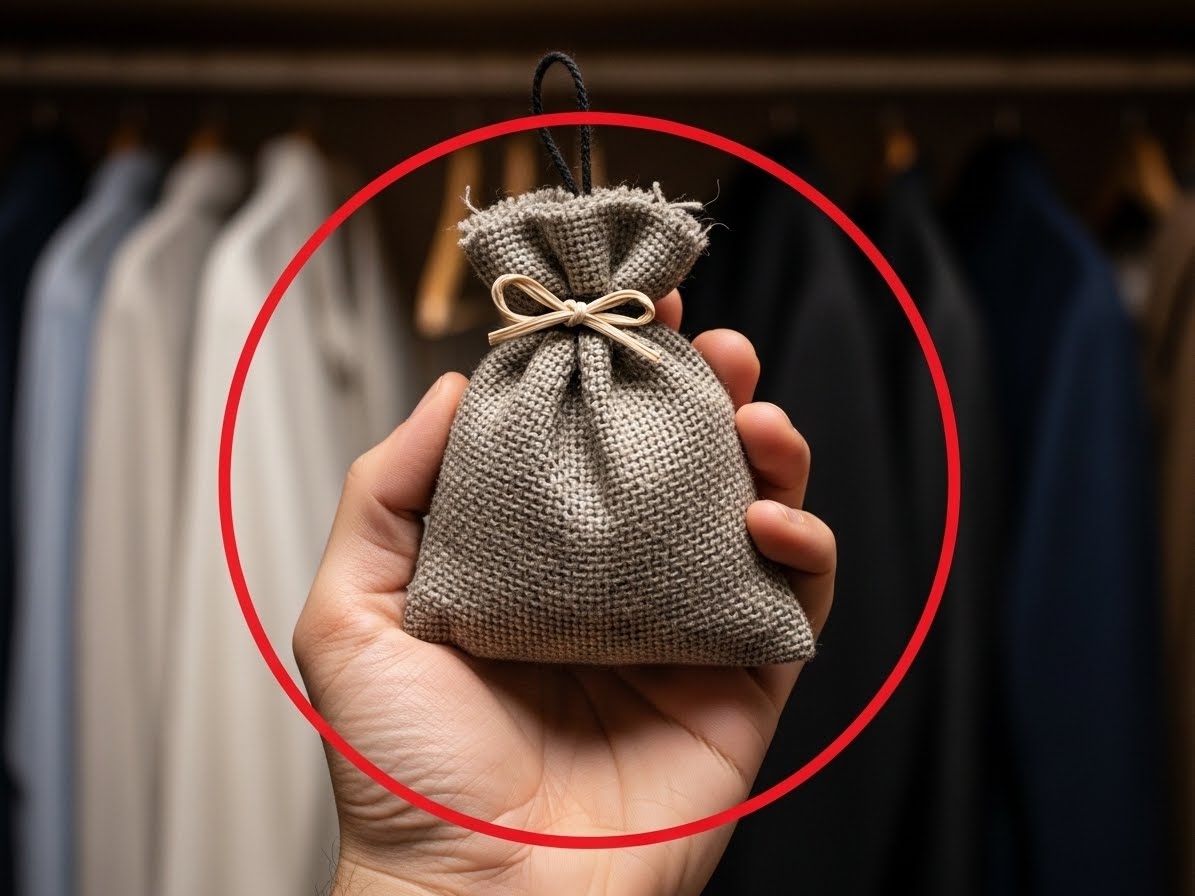
Una bolsa de sal en el armario puede parecer algo extraño, pero este sencillo truco puede solucionar un problema común en muchos hogares. Imagina la frescura y el aire limpio que sentirás al eliminar la humedad y los malos olores de tus espacios.
Este truco transformará tu hogar en un oasis de bienestar. Con ingredientes sencillos y pasos fáciles, mejorarás la calidad del aire y protegerás tus pertenencias. Descubre cómo algo tan simple como la sal puede hacer una gran diferencia.
La sal absorbe la humedad, previniendo la formación de moho y hongos en armarios y otros espacios cerrados, lo que mejora la calidad del aire.
Este truco es muy fácil de implementar y requiere solo unos pocos minutos, ideal para aquellos con agendas apretadas.
El uso de sal es una alternativa económica y ecológica a los deshumidificadores eléctricos, beneficiando tanto tu bolsillo como el medio ambiente.
Además de eliminar la humedad, la sal ayuda a neutralizar los olores desagradables, dejando tus armarios y habitaciones con un aroma fresco.
Materials for Una bolsa de sal en el armario puede solucionar este gran problema.
Here’s what you’ll need to create this beautiful home project:
The complete materials list, including measurements, is provided in the project details below.
How to Create Una bolsa de sal en el armario puede solucionar este gran problema.

Follow these simple steps to create this beautiful home project:
Step 1: Preparación de los recipientes
Limpia y seca los recipientes que vas a utilizar. Asegúrate de que estén completamente secos antes de añadir la sal.
Step 2: Llenado de los recipientes con sal
Vierte la sal gruesa en los recipientes, llenándolos hasta aproximadamente ¾ de su capacidad. No llenes los recipientes por completo para evitar que la sal se derrame cuando absorba la humedad.
Step 3: Adición de aceites esenciales (opcional)
Si deseas añadir un aroma agradable, agrega unas gotas de tu aceite esencial favorito a la sal. Mezcla suavemente para que el aceite se distribuya de manera uniforme.
Step 4: Cubriendo los recipientes con tela
Cubre cada recipiente con un trozo de tela transpirable, asegurándote de que quede bien tensa. Utiliza bandas elásticas o cordel para asegurar la tela alrededor del borde del recipiente.
Step 5: Colocación en el armario
Coloca los recipientes en las zonas del armario donde notes mayor humedad o donde quieras eliminar olores. Pueden ser estantes, rincones o incluso colgados si utilizas recipientes adecuados.
Step 6: Mantenimiento y reemplazo
Revisa los recipientes regularmente. Cuando la sal se sature de humedad y se convierta en una pasta, reemplázala con sal nueva. La frecuencia de reemplazo dependerá del nivel de humedad en tu hogar.
Enjoy your beautiful new home addition and share your success with others.
Benefits of Using Sal to Combat Humidity (formated as H2 subheading)
Using salt to control humidity is a simple and effective technique that offers multiple benefits for your home and your well-being. This method is not only economical but also environmentally friendly, making it a great alternative to more expensive and complex solutions.
Economical Solution (formated as H3 subheading)
Compared to electric dehumidifiers or chemical products, salt is an incredibly affordable option. You can purchase large quantities of coarse salt at a low price, and a single bag can last for several months depending on the level of humidity in your home. This makes it a sustainable choice for those looking to save money while maintaining a comfortable environment.
Eco-Friendly Alternative (formated as H3 subheading)
Unlike electric dehumidifiers that consume energy or chemical dehumidifiers that release potentially harmful substances into the environment, salt is a natural and non-toxic alternative. When the salt absorbs moisture, you can simply discard it without worrying about polluting the environment. This makes it a responsible choice for those who are conscious of their ecological footprint.
Effective Moisture Absorption (formated as H3 subheading)
Coarse salt has excellent hygroscopic properties, meaning it can effectively absorb moisture from the air. By placing containers filled with salt in strategic locations in your home, you can reduce humidity levels, preventing the growth of mold and mildew. This is particularly useful in areas prone to humidity, such as bathrooms, basements, and closets.
Odor Neutralization (formated as H3 subheading)
In addition to absorbing moisture, salt can also help neutralize unpleasant odors. By trapping moisture, salt prevents the proliferation of bacteria and fungi that cause bad smells. This makes it a great option for freshening up closets, pantries, and other enclosed spaces that tend to develop stale odors.
Easy Implementation (formated as H3 subheading)
Setting up a salt-based dehumidifier is incredibly easy and requires minimal effort. Simply fill a container with coarse salt, cover it with a breathable cloth, and place it in the area where you want to reduce humidity. There is no need for complicated installations or maintenance, making it a convenient solution for anyone.
Additional Tips for Home Improvement (formated as H2 subheading)
Beyond using salt to combat humidity, there are many other simple yet effective techniques you can use to improve your home environment. From plant care to DIY projects, these tips can help you create a more comfortable and beautiful living space.
Plant Care Essentials (formated as H3 subheading)
Indoor plants not only add a touch of greenery to your home but also help purify the air. To keep your plants healthy and thriving, make sure to water them regularly, but avoid overwatering. Each plant has different watering needs, so research the specific requirements of your plants. Also, provide adequate sunlight and fertilize them periodically to promote healthy growth.
Simple DIY Projects (formated as H3 subheading)
DIY projects can be a fun and rewarding way to personalize your home. Consider projects like creating a gallery wall with your favorite photos, building a small bookshelf, or painting an old piece of furniture to give it a fresh new look. These projects not only add character to your home but also allow you to express your creativity.
Gardening Tips for Beginners (formated as H3 subheading)
If you have a garden, even a small one, there are many ways to make it more beautiful and productive. Start by choosing plants that are suitable for your climate and soil conditions. Water your plants regularly, especially during dry periods, and fertilize them to promote healthy growth. Also, consider adding mulch to help retain moisture and suppress weeds.
Proper Ventilation (formated as H3 subheading)
Good ventilation is essential for maintaining a healthy home environment. Open windows regularly to allow fresh air to circulate and remove stale air. In areas prone to humidity, such as bathrooms and kitchens, use exhaust fans to remove moisture and prevent the growth of mold and mildew.
Decluttering and Organization (formated as H3 subheading)
A cluttered home can feel stressful and overwhelming. Take the time to declutter and organize your living spaces. Get rid of items you no longer need or use, and find a place for everything else. This will not only make your home look more attractive but also create a more peaceful and relaxing environment.
Conclusion (formated as H2 subheading)
Using Una bolsa de sal en el armario puede solucionar este gran problema and other simple home improvement techniques can significantly enhance your living environment. By implementing these tips, you can create a healthier, more comfortable, and more beautiful home for you and your family. Remember that small changes can make a big difference, so start with a few of these ideas and gradually incorporate more as you go along. Happy home improving!
Perfecting the Home Project Process
To achieve the best results in your home projects, meticulous planning is vital. Prepare all materials beforehand, ensuring you have everything you need. Then, follow each step in order, taking your time and paying attention to detail. This approach will maximize efficiency and ensure a professional finish.
Add Your Personal Touch
Home projects are an opportunity to express your unique style. Consider incorporating personal touches, such as selecting your favorite colors for paint or adding decorative elements that reflect your personality. Optional enhancements can further customize the project, making it truly your own.
Caring for Your Creation
Proper care is essential to preserve the beauty and longevity of your home project. Follow specific maintenance instructions, such as regular cleaning or applying protective coatings. By taking good care of your creation, you can enjoy it for years to come.
Always double-check your measurements before cutting any materials to avoid costly errors and wasted resources.
When painting, apply thin, even coats and allow each coat to dry completely before applying the next for a smooth finish.
Use the right tools for the job; it can save time and improve the quality of your project.
(Personal anecdote formated as paragraph subheading (very important! don’t write any title for this paragraph))
I remember when I finally finished painting my living room, my daughter said it looked “magazine-worthy.” That compliment alone made all the hard work worthwhile.
The Unexpected Home Savior: Una bolsa de sal en el armario puede solucionar este gran problema
Imagine opening your closet and being greeted by a musty odor. Perhaps you’ve noticed dampness or even the beginnings of mold. It’s a common problem, especially in humid climates or older homes. Before reaching for harsh chemicals or expensive dehumidifiers, consider a simple, natural solution that you probably already have in your pantry: una bolsa de sal en el armario puede solucionar este gran problema.
Why Salt? The Science Behind the Solution
Salt, or sodium chloride, is a hygroscopic substance, meaning it readily absorbs moisture from the air. This property makes it an excellent natural dehumidifier. By placing a bag of salt in your closet, you’re essentially creating a moisture trap. The salt will draw excess humidity from the air, helping to prevent mold and mildew growth, and eliminating those unpleasant musty smells.
Simple Steps to Implement This DIY Fix
It’s incredibly easy to implement this solution. You likely have everything you need already! Here’s a step-by-step guide:
1. Gather Your Supplies: You will need coarse salt (sea salt, rock salt, or kosher salt work best), a breathable container (such as a small open-weave basket, a fabric bag, or a container with holes poked in the lid), and a cloth liner (optional).
2. Prepare the Container: If you’re using a basket, line it with a cloth to prevent the salt from spilling through the gaps. If you’re using a container with a lid, poke several holes in the lid to allow air circulation.
3. Fill the Container: Pour the salt into the prepared container, filling it about two-thirds full.
4. Place in Closet: Position the container in your closet, preferably in a corner or on a shelf away from clothing to prevent direct contact.
5. Monitor and Replace: Check the salt periodically. As it absorbs moisture, it will likely clump together and may even appear wet. Depending on the humidity level in your closet, you’ll need to replace the salt every few weeks to every few months.
Benefits Beyond Moisture Absorption
Besides controlling humidity, utilizar una bolsa de sal en el armario puede solucionar este gran problema because it also offers other benefits. Salt is a natural deodorizer, helping to neutralize unpleasant smells, not just mask them. It’s a cost-effective and eco-friendly alternative to chemical-laden air fresheners and dehumidifiers. Moreover, it’s safe for your family and pets.
When a Bag of Salt Isn’t Enough: Recognizing the Limits
While descubrir que una bolsa de sal en el armario puede solucionar este gran problema is a great starting point, it’s important to understand its limitations. This method is best suited for small, enclosed spaces like closets. If you have a significant moisture problem, such as a leaky roof or a damp basement, emplear una bolsa de sal en el armario puede solucionar este gran problema won’t be sufficient. In those cases, you’ll need to address the underlying issue.
Tips for Maximizing Effectiveness
To get the most out of your salt dehumidifier, consider these helpful tips:
Use Coarse Salt: Coarse salt has a larger surface area, allowing it to absorb more moisture.
Choose a Breathable Container: Proper air circulation is crucial for the salt to effectively absorb moisture.
Position Strategically: Place the salt container in the area of the closet that tends to be the dampest.
Replace Regularly: Don’t wait until the salt is completely saturated. Regular replacement ensures optimal performance.
Combine with Ventilation: Open your closet doors periodically to allow fresh air to circulate and further reduce moisture buildup.
Beyond the Closet: Other Uses for Salt as a Natural Dehumidifier
The concept of que una bolsa de sal en el armario puede solucionar este gran problema can be extended to other small spaces in your home. Try placing a container of salt in your bathroom, pantry, or even inside a musty storage bin. This is particularly useful during humid seasons.
Safety First: Precautions to Consider
While salt is a natural and safe solution, there are a few precautions to keep in mind. Keep the salt container out of reach of children and pets to prevent accidental ingestion. Avoid direct contact between salt and delicate fabrics, as it can potentially stain.
Alternative Natural Dehumidifiers
If you’re looking for alternatives to salt, consider other natural dehumidifiers such as baking soda, charcoal, or silica gel packets. These materials also have absorbent properties and can be used in a similar fashion.
Embrace Simplicity: A Sustainable Home Solution
In conclusion, una bolsa de sal en el armario puede solucionar este gran problema represents a simple, affordable, and sustainable solution to a common household issue. It’s a reminder that sometimes the best solutions are the most basic ones. So, before investing in expensive gadgets, try this natural remedy and enjoy a fresher, drier, and more pleasant closet space.
Conclusion for Una bolsa de sal en el armario puede solucionar este gran problema.
En resumen, mantener nuestros hogares en óptimas condiciones requiere atención a detalles importantes. Desde la correcta ventilación para evitar la humedad, hasta el cuidado de nuestras plantas y la reutilización de materiales reciclados. Una bolsa de sal en el armario puede solucionar problemas de humedad, aunque es solo una parte de la solución. Implementar estas técnicas y proyectos de bricolaje no solo mejorará el aspecto de tu hogar, sino que también contribuirá a un estilo de vida más sostenible y saludable. Recuerda que pequeños cambios pueden marcar una gran diferencia.
FAQs
¿Cómo puedo mejorar la ventilación de mi armario para prevenir la humedad?
La ventilación deficiente es una de las principales causas de problemas en los armarios. Para mejorarla, considera instalar rejillas de ventilación en las puertas o paredes del armario. Asegúrate de que no haya ropa o cajas bloqueando el flujo de aire. Otra opción es usar deshumidificadores pequeños o incluso ventiladores portátiles para mantener el aire circulando. Limpiar regularmente el armario y dejar las puertas abiertas ocasionalmente también ayudará a reducir la acumulación de humedad. Un ambiente seco dentro del armario evitará la proliferación de moho y olores desagradables.
¿Qué plantas son fáciles de cuidar dentro de casa para principiantes?
Si eres nuevo en el mundo de las plantas de interior, algunas opciones son especialmente amigables. La Sansevieria (lengua de suegra) es resistente y necesita poca agua. El Zamioculcas zamiifolia (ZZ plant) también tolera la falta de riego y prospera en condiciones de poca luz. El Pothos es otra excelente elección, ya que es adaptable y fácil de propagar. Recuerda investigar las necesidades específicas de cada planta, pero estas son buenas opciones para comenzar tu colección verde sin complicaciones.
¿Qué puedo hacer para proteger mis plantas de jardín de las plagas de forma natural?
Existen varios métodos naturales para proteger tus plantas de jardín. Plantar flores que atraigan insectos beneficiosos, como mariquitas, puede ayudar a controlar las plagas. El jabón potásico es efectivo contra pulgones y otros insectos de cuerpo blando. También puedes hacer un repelente casero mezclando agua con aceite de neem. Inspecciona regularmente tus plantas para detectar signos de infestación temprana y actúa rápidamente para evitar que el problema se agrave. El control manual, retirando los insectos a mano, también es una opción viable para pequeñas infestaciones.
¿Cómo puedo reutilizar materiales reciclados para crear proyectos de bricolaje para mi hogar?
Reutilizar materiales reciclados es una excelente forma de ser creativo y sostenible. Puedes transformar botellas de vidrio en floreros o lámparas. Los palés de madera se pueden convertir en muebles rústicos o jardines verticales. Las latas vacías pueden servir como macetas originales. La clave está en usar tu imaginación y buscar inspiración en línea. Antes de empezar cualquier proyecto, asegúrate de limpiar y preparar adecuadamente los materiales para garantizar un resultado duradero y estético.